



Getting Your Bread Crust Just Right with Infrared Lamps
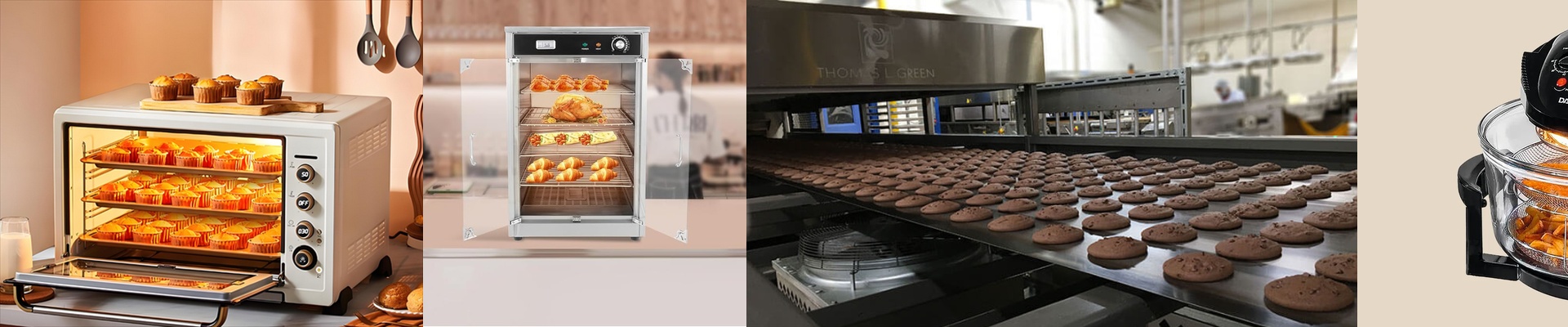
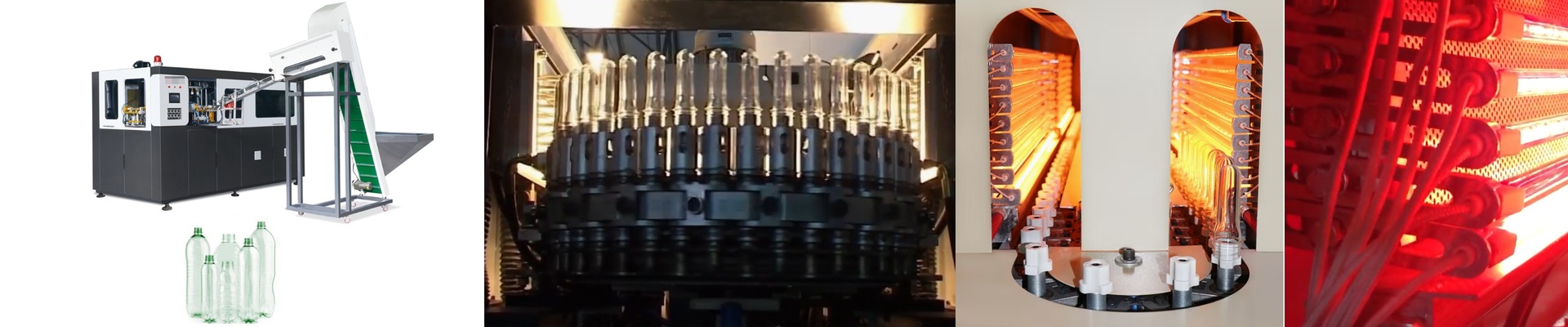
If you’re baking at scale, you know the struggle. Getting that perfect crust and a soft, airy crumb every single time is tough. It’s not just about having a heat source; it’s about how fast that heat reacts when your system tells it to stop. That’s why we lean on short-wave infrared lamps. Instead of wasting time heating up the air around the bread, these lamps beam energy straight into the dough. It’s direct. It’s fast.
Why Speed Matters
Here is the thing about standard heating coils: they have a “memory.” Even after you flip the switch off, they stay hot for a while. In a high-speed automated oven, that lag is a nightmare. It’s how you end up with burnt edges on a batch that was supposed to be golden brown. Infrared lamps are different. They’re basically instant. The moment your sensors hit the target temperature and the system cuts the power, the heat stops. Period. No lingering warmth, no accidental burning in those final few seconds. Just a clean stop.
Picking the Right Gear
We don’t do one-size-fits-all here. We tweak the wattage and voltage to fit your specific power grid and how much heat you actually need. Just a heads-up: if you go for super high wattage to get more intensity, make sure your wiring can handle the load. You don’t want your cables overheating while your bread is baking. We use quartz glass for the tubes because it can handle the “thermal shock” of being turned on and off rapidly without cracking. You’ve also got a choice between clear or coated tubes. Coated lamps change how the heat hits the bread—some help the heat sink deeper into the loaf, while others focus everything on the top crust.
A Few Pro Tips for the Setup
To make this work with a PLC system, you’ll want precise SCR voltage regulation. But here is a bit of a secret: don’t run your lamps at 100% all the time. If you push them to the limit constantly, you’re just killing the filaments. We usually set things up so the system cruises at about 70-80% capacity. It gives you a little breathing room to handle those cold-start batches without blowing out your hardware. It just makes the whole operation last longer.