

Green Heat, Done Right
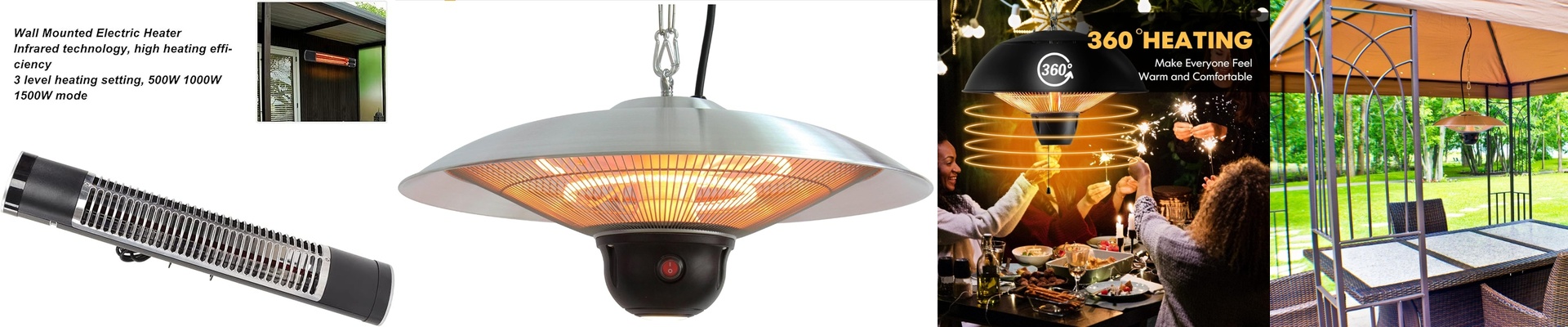
Let’s talk about heating that actually makes sense. We’re way past the point of just warming up a room. The real challenge is building a heater that’s genuinely green—meaning it puts out serious heat, wastes almost no energy, and keeps running, year after year. That’s exactly what we’ve done. We built a high-output halogen fan heater that’s all about performance and efficiency. It doesn’t just get the job done. It gets it done clean.
Power, Voltage, and Size—Simplified
Here’s the guts of it: a 300mm tube, running on 400V, cranking out 2500W of focused heat. And no, that wasn’t chosen at random. The 400V input is the secret sauce. It delivers big power without overloading your wiring, which means fewer headaches and less voltage drop over distance. The 300mm length keeps things compact, so it slips into tight spots where space is at a premium. Bottom line? You get a massive amount of heat from a small, tidy package.
The Details That Matter
We went with a quartz tube, and there’s a reason. It handles the shock of heating up fast without cracking. On top of that, we added a special coating that protects the element and keeps the heat output steady. Then there’s the R7s connector. It’s a bi-pin base built for high-wattage halogen lamps, and it makes for a rock-solid, low-resistance connection. This thing can handle the heat and the electrical load. In other words, it’s tough. It can take a beating on a busy factory floor and still wire up clean, every time.
Built for the Real World
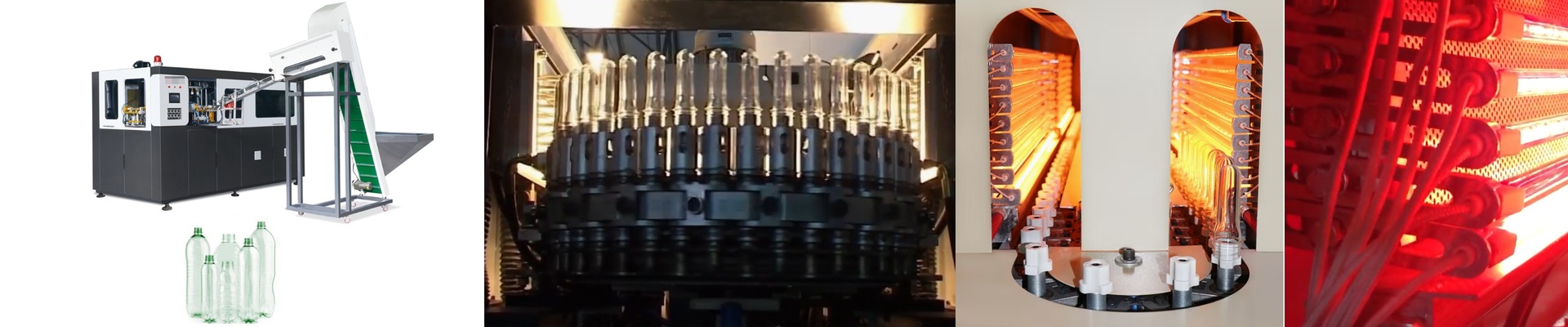
This setup was made for industrial work—the kind of places that need fast, focused heat, like PET blowing or process heating. It heats up fast, which helps you cut down on cycle times. But here’s the thing to keep in mind: that kind of power comes with responsibility. With 2500W of output, you’ll need a cooling system that’s up to the task to keep the surrounding equipment from overheating. This isn’t a consumer gadget for chasing warmth. It’s a reliable, drop-in workhorse for engineers who need a heater that performs under pressure.