
Introduction
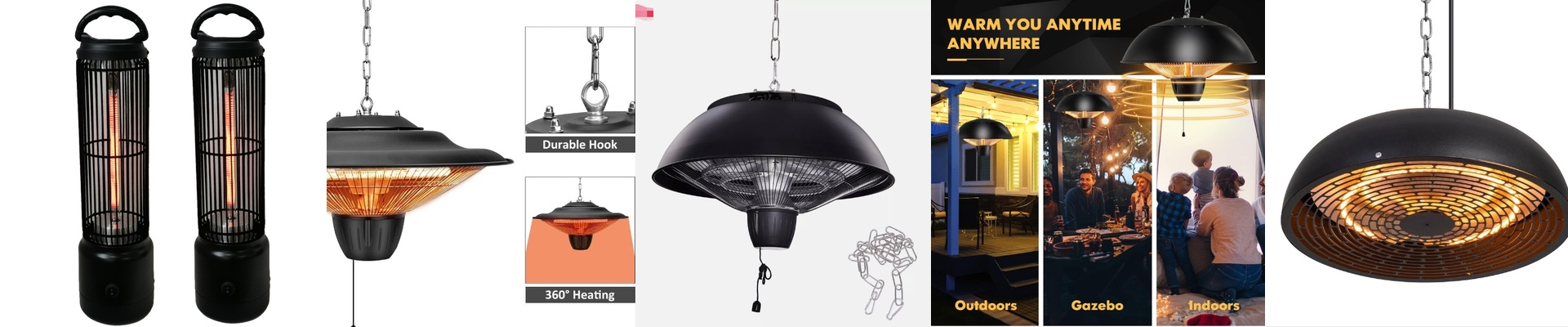
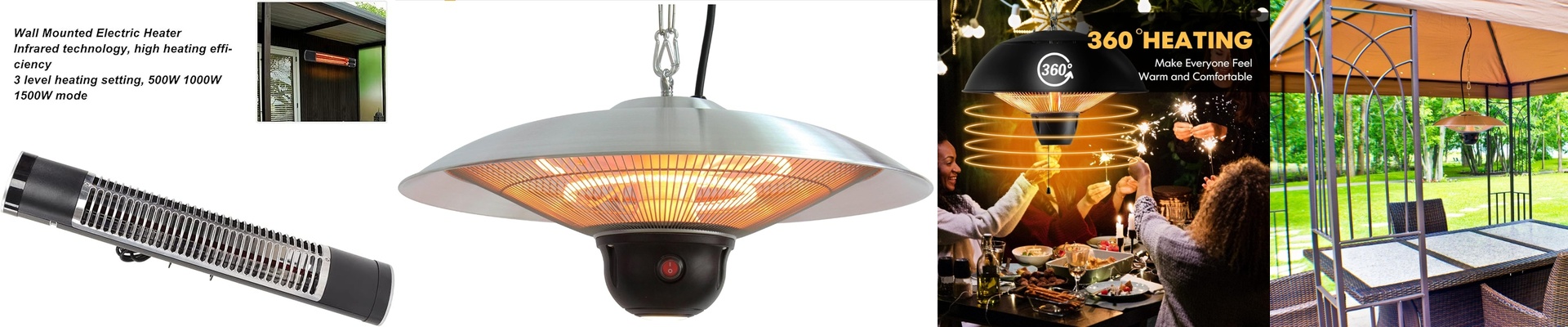
We built this infrared heater for one reason: to save your open-air dining from dying in the winter. Winter doesn’t have to kill your revenue. With this heater, it can become a steady, reliable shift. It’s a direct-radiant halogen heater, designed to warm the people and the tables—not the empty air around them. The point is simple: get warmth where it matters, right now, so customers stay seated and your table turnover keeps moving.
The Power, Voltage, and Output (In Plain Talk)
This unit runs on a 220V supply and puts out a rated 2500W. You get intense infrared heat without the noise of a fan or the fuss of trying to move cold air around. The quartz tube is 600mm long, so the footprint stays tight. It mounts close to seating lines without crowding walkways. And it responds fast. The shortwave infrared hits full output within seconds of startup. That means you can switch zones on and off as your crowd changes.
Materials, Design, and the Details That Matter
Inside, the halogen cycle keeps the filament stable even at high temperatures. That’s how you get consistent output over time—no surprises. The quartz tube has a reflective coating that pushes more radiant energy forward. More warmth lands where you need it, with less spill sideways. Connections are practical, too. The R7s bi-pin connector is a proven industrial interface: quick to wire, easy to service, and built for repeated relamping in busy commercial use.
Real-World Use: Open-Air Reliability and What It Means for You
For an open-air restaurant, this heater hits two big pain points: comfort at the table and keeping service running without interruptions. Direct radiant heat warms guests immediately, even when the wind cuts right through. That makes winter seating viable again. The payoff is real: better occupancy and faster table turns. Yes, 2500W means you need proper circuit loading and smart mounting placement so nearby materials don’t get too hot. But get the circuit and spacing right, and you’ve got a dependable winter upgrade that pays for itself by stretching your service hours.