
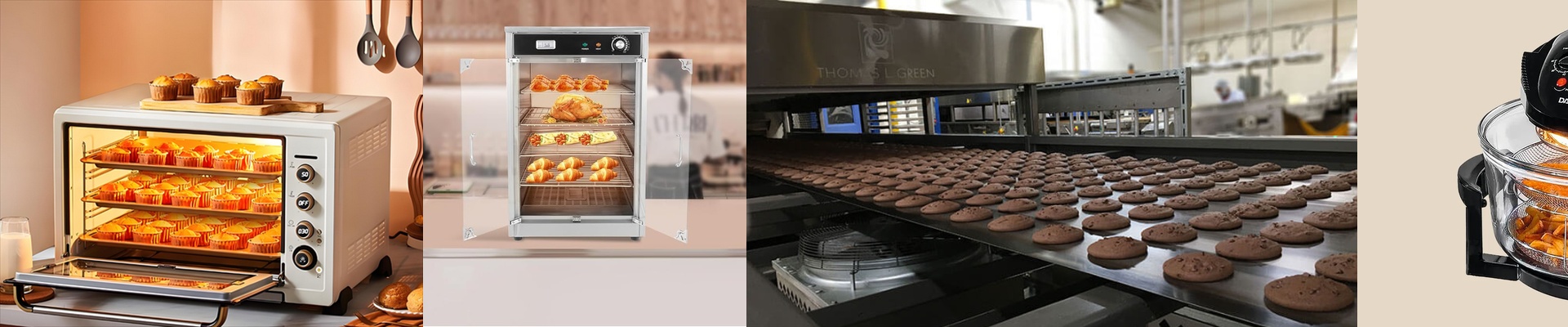



Getting the Heat Right in Rotary Ovens
If you’ve ever pulled a tray out of a rotary oven only to find some spots perfectly browned and others… well, not so much, you know the frustration. Just spinning the rack isn’t enough. That’s why we use infrared ceramic thermal elements. Instead of just warming up the air and hoping for the best, these elements send short-wave radiation straight into the food. It’s a more direct way of cooking.
How we kill the “cold spots”
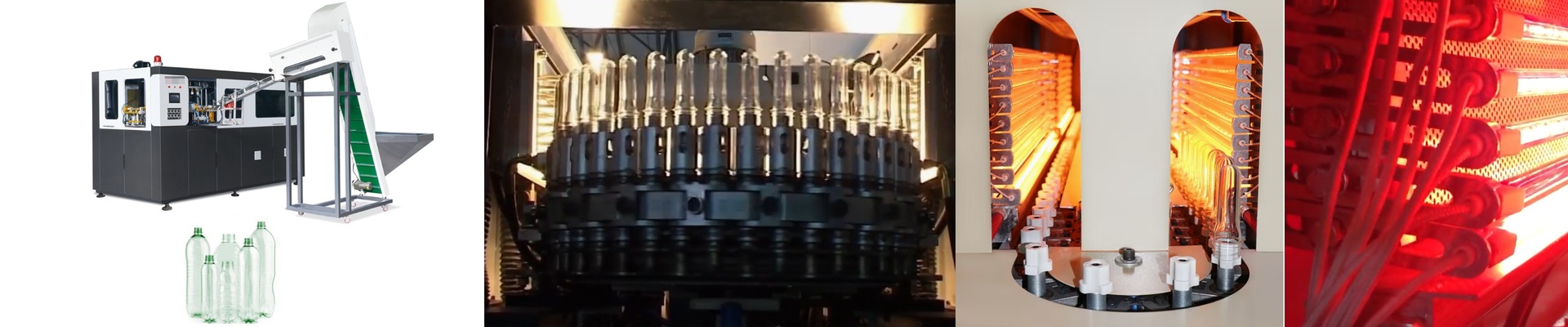
Think of it like this: as your rack spins, the food is moving through different heat zones. We don’t just line the elements up in a row; we stagger them around the edges of the oven. As the rack turns, the product gets hit by overlapping waves of heat from every single angle. It basically wipes out those annoying dead spots you get with standard convection. Plus, the ceramic housing holds onto the heat. It acts like a battery, keeping the temperature steady so you don’t end up with a burnt crust and a raw center.
The nitty-gritty on materials
We use high-alumina ceramic because it can take a beating. In a busy kitchen, you’re cycling the heat on and off constantly. Metal coils tend to warp over time under that kind of stress, but these don’t. They also pack a lot more punch per square inch. That means your oven hits the target temperature way faster. Now, a quick heads-up on the power side. Whether you’re running 220V or 380V, the output is going to shift. Higher wattage gets you a faster preheat, which is great, but just make sure your control board can handle the draw. You don’t want to be hunting for a blown fuse in the middle of a rush.
Getting them installed
The good news? These are pretty much “plug and play” for most industrial rotary shells. You just wire them into your current circuit, and they take over the heavy lifting of that initial sear. One thing to watch out for: these elements getintense. Because the heat is so concentrated, your oven’s outer skin might feel hotter than usual if your insulation is a bit thin. Just double-check your venting. You want the heat going into the bread, not cooking your electronics.