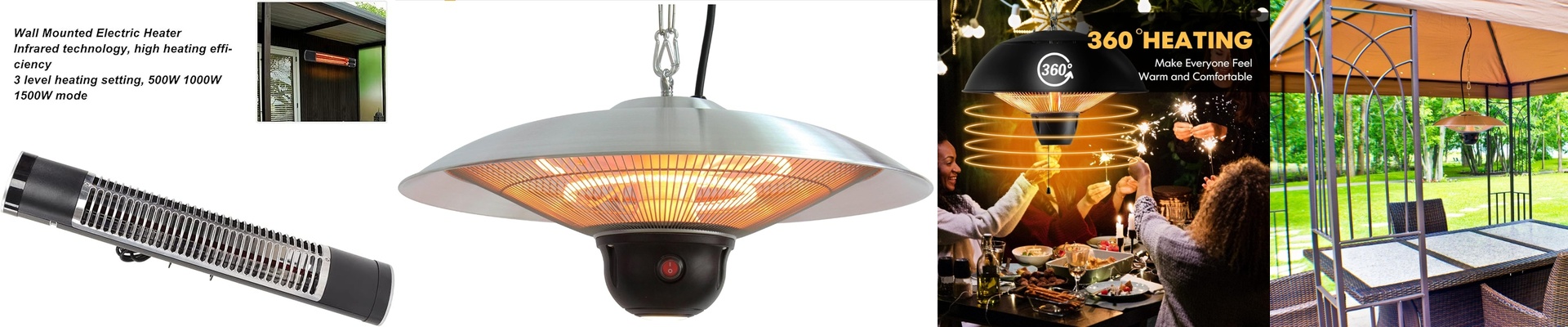
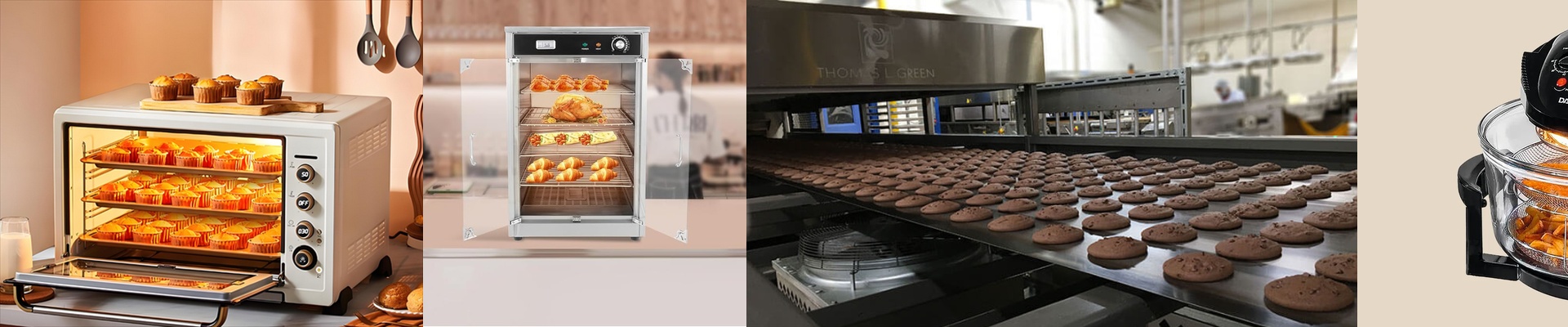
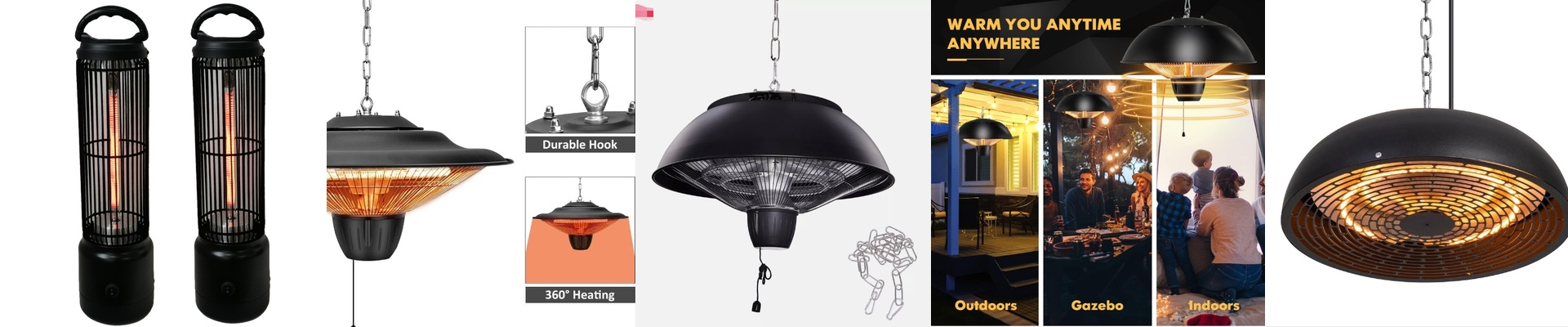
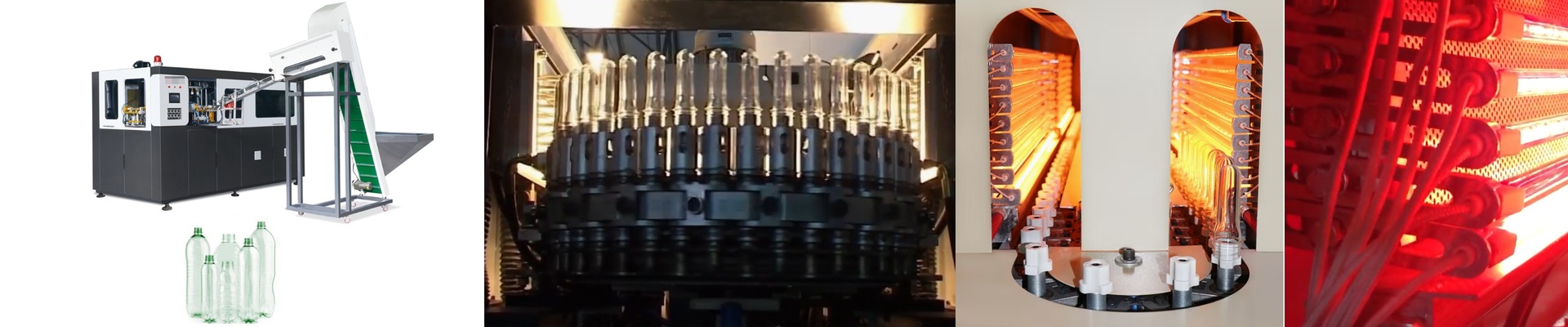

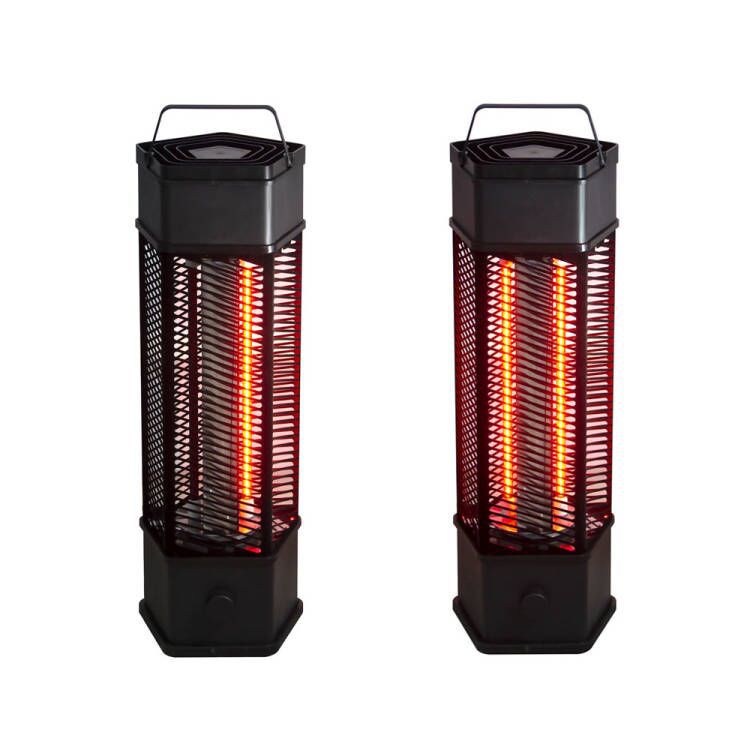
Beyond Just Making Things Warm: The Real Deal on Industrial Fan Heaters
Let’s get one thing straight. We’re not talking about just heating up a room. The real challenge in industrial settings is getting the temperature exactly right, every single time. It’s about control. That’s where an industrial fan heater earns its keep. It’s not some basic space heater you’d find in a living room. It’s a serious tool, built to keep your processes stable and your environment exactly the way you need it.
The Power Behind the Heat
These units live on the factory floor, not in a cozy den. So they’re built to handle the heavy lifting. We’re talking robust power configurations, often running on400V inputs. This means they can deliver a ton of heat without overloading your standard industrial power supply. The result? A lot of power packed into a small space. Their compact size is intentional, designed to slip into tight spots or right inside a machine, delivering heat exactly where you need it without eating up valuable floor space.
Built to Take a Beating
The factory floor is no place for something delicate. These heaters are built to last. The heating elements are heavy-duty, often with protective coatings or made from quartz, to stand up to extreme heat, dust, and even chemical corrosion. The fan is balanced to move a lot of air, spreading the heat evenly. And the whole chassis? It’s designed to handle the constant vibration of running machinery. This is a workhorse, built for continuous, non-stop operation.
Solving Real-World Headaches
Here’s the thing about this kind of setup: it solves actual engineering problems. The high-velocity airflow prevents hot spots, so the temperature stays consistent across the entire work area. That’s huge when the quality of your product depends on a steady temperature. And because it’s so rugged, you can basically set it and forget it, which cuts down on maintenance and downtime. But, with that much concentrated power, you do need to plan ahead. A high-wattage unit throws off a lot of heat quickly, so you have to make sure your machine’s cooling system can handle the extra warmth. For an engineer, it’s a reliable, drop-in solution that turns a guessing game into a predictable, manageable part of the process.