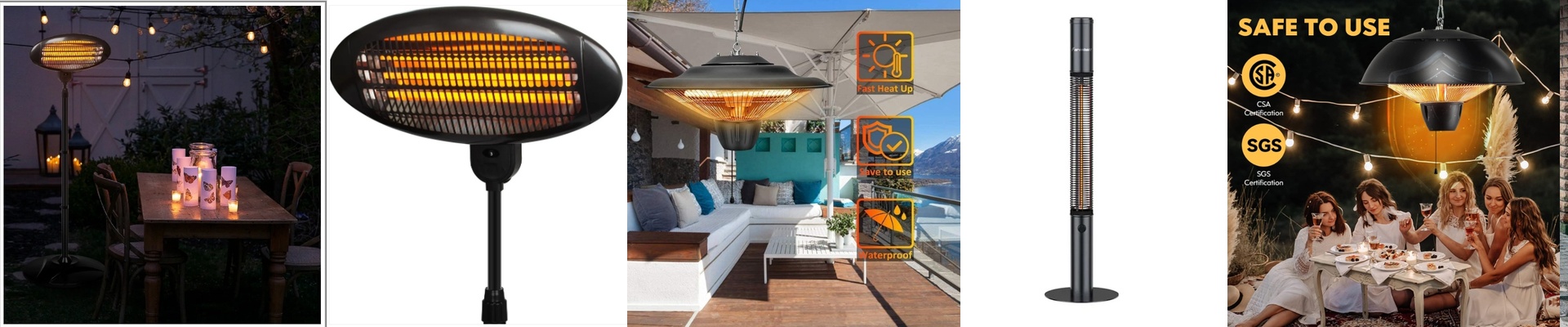
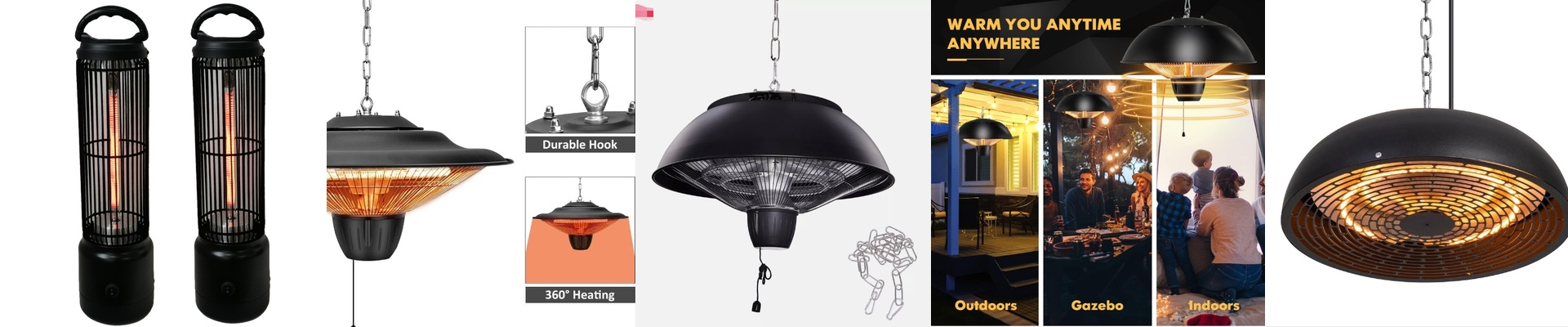
Picture a crisp evening on the deck—string lights soft, air still—and your decorative electric heater throwing off a warm glow, like a small hearth. The second that infrared warmth hits your skin, shoulders drop and the conversation starts to flow. That feeling isn’t just about looks. It’s about knowing, quietly, that the heater will show up—safely, right away, and again next time. We earn that certainty on the factory floor, not in the showroom. Every decorative electric heater we build gets 100% full-power aging before it leaves our hands. This isn’t a checkbox. It’s a straight-up reliability test under full electrical load, and it’s why you can count on the warmth when you need it.
What actually matters, technically
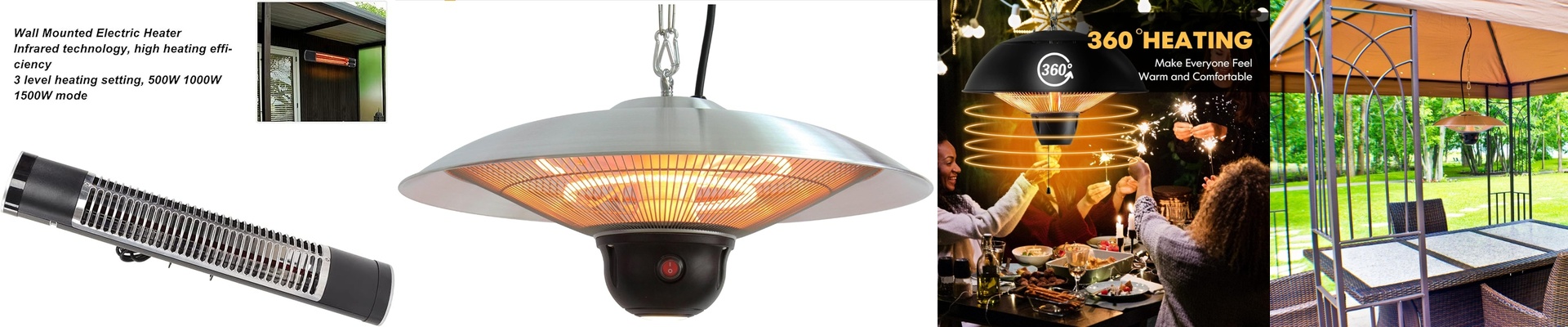
A decorative electric heater has to do two jobs at once: put out comforting radiant heat and look natural doing it. We pair that visible glow with proven infrared technology—usually a quartz tube or a carbon fiber element—so warmth goes where it’s needed, without trying to heat the air.
- Infrared warmth that lands fast: Radiant heat travels outward at the speed of light, warming people and objects first. You feel it within seconds, not minutes.
- Element choice matched to the job: Quartz tubes pack strong output into a compact footprint. Carbon fiber elements spread coverage evenly and are built for long life. Both run quiet and need no warm-up.
- Power sized for real outdoor spaces: We spec heaters for common outdoor and semi-outdoor use, typically 1,500–2,000 W on standard household circuits. That’s enough output to make a real difference on a patio, balcony, or covered porch.
- Safety you can feel in the build: Tip-over protection shuts the unit off if it gets knocked over. Overheat protection keeps temperatures from running away. A solid base and stable housing keep the heater planted where you set it.
- Control that keeps comfort in your hands: Many models include a thermostat or multiple heat settings, so you can dial in the right level without overheating the area. The specs matter, sure—but what you remember is the experience. The glow is gentle, the heat arrives quickly, and the unit runs without noise or draft.
Why this approach works in real life
The real question with any decorative electric heater is simple: Will it work when it matters? Outdoor evenings don’t offer a do-over. The temperature drops, guests show up, and a heater that underperforms turns a cozy plan into a missed night. That’s exactly why we run 100% full-power aging on every unit. On the line, each heater runs at its full rated power for a full cycle—just like it will in your home. We watch for stable temperature, consistent output, and any early signs of stress. We check electrical connections, element behavior, and the safety systems that are supposed to cut in when they should. If a unit shows drift or weakness, it doesn’t ship. That practice cuts down on early failures. It catches small issues before they become your problem. It keeps the defect rate down and returns down, which matters because every return is someone’s night without the warmth they counted on. In practice, that means:
- Fewer surprises: The heater performs to its rating from the first evening out.
- Longer, steadier comfort: Components that survive full-power aging tend to hold up better over time.
- Peace of mind that’s earned: You’re not just buying a look. You’re buying a unit that’s already been run hard and passed. The payoff is a patio heater you can rely on for weekend dinners, weeknight reading, and last-minute get-togethers. Comfort becomes routine.
The things you should know up front
Even the best-built heater has practical limits, and being upfront helps you get the most out of it.
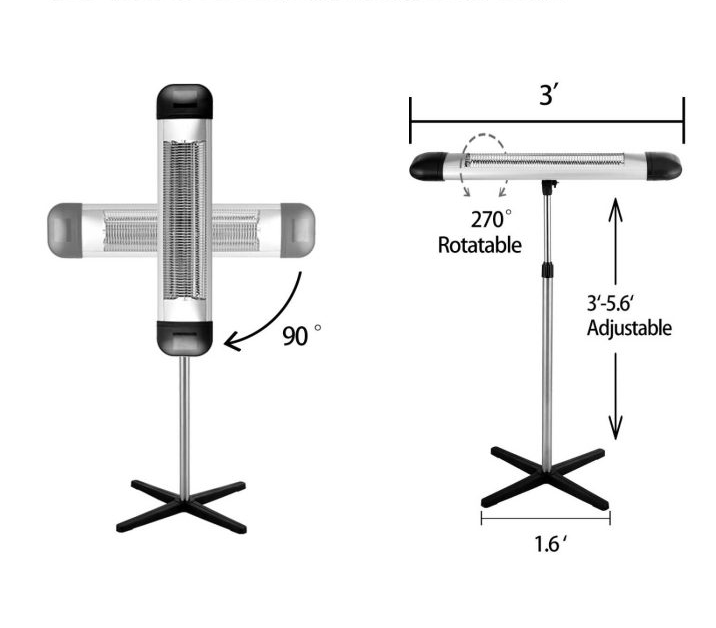
- Heat is directional: Infrared warmth travels in a straight line. Place the heater so it shines on people and seating, not into empty space. Adjust height and angle to match your setup.
- Outdoor use depends on protection: For covered outdoor spots, pick a heater rated for damp locations and check the IP rating. Most decorative electric heaters are meant for protected areas, not direct rain.
- Electrical needs are non-negotiable: Match the unit to the right circuit. A 1,500–2,000 W heater needs a dedicated outlet, and an outdoor outlet should have GFCI protection.
- Ambient conditions still matter: Infrared heats people and objects directly, so you’ll feel warmth even on chilly nights. But strong wind and very low temperatures still change how much heat you need. Position the heater to cut drafts, and add a blanket if you want extra coziness. We test every heater at full power because comfort shouldn’t feel like a gamble. When the evening calls for warmth, the heater should answer—glowing softly, running steadily, and leaving you free to enjoy the night.