


Stop Fighting Your Factory Ceilings
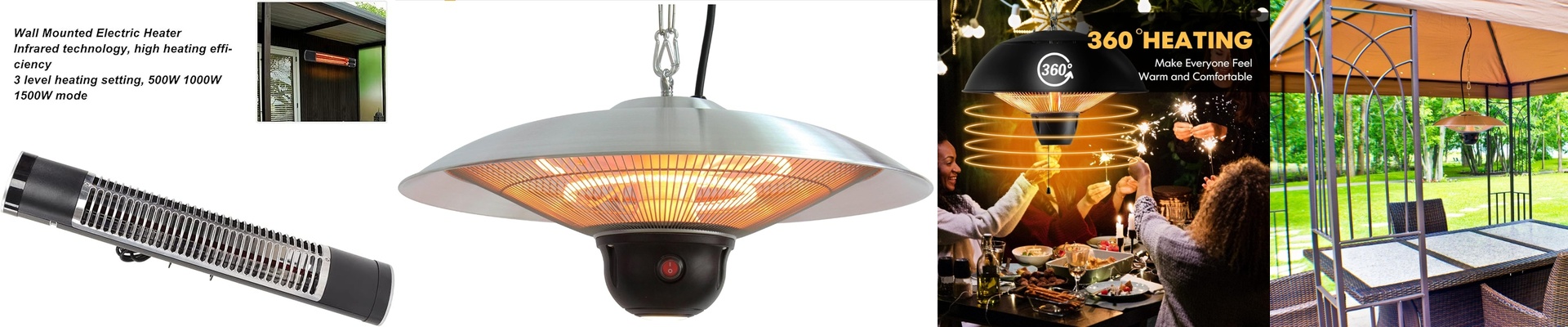
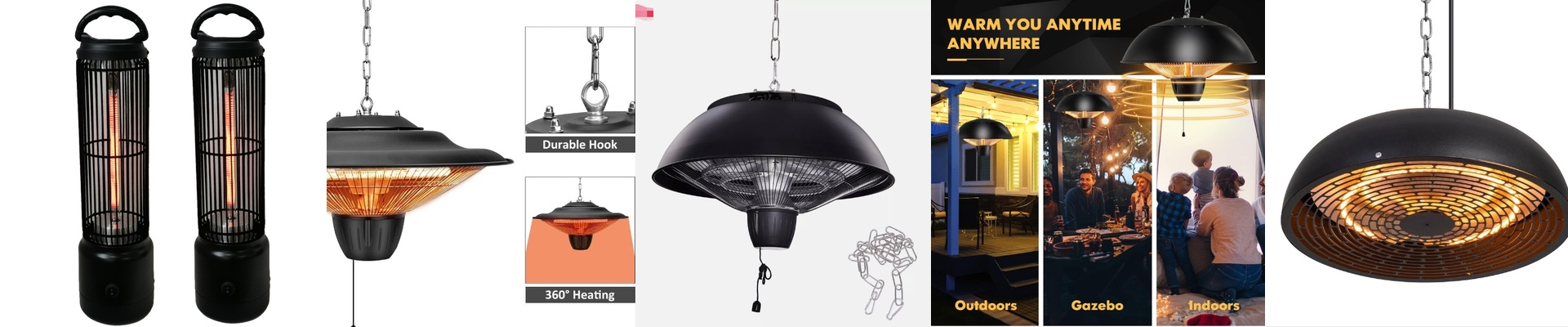
If you’ve ever tried to heat a factory changing room with high ceilings, you know it’s a losing battle. You crank up the heaters, the warm air rushes straight to the ceiling, and your workers are still shivering on the floor. It’s frustrating. That’s why we stop trying to heat the air entirely. Instead, we use shortwave infrared (IR) radiators. Here is how it actually works. Think of it like the sun. When you step outside on a cold winter day and feel the sun hitting your skin, you aren’t feeling “warm air”—you’re feeling radiant energy. IR radiators do the same thing. They send out waves that travel through the cold air without stopping. They only turn into heat when they hit something solid, like a concrete floor or a person. You feel the warmth in seconds. It doesn’t matter if your ceiling is 10 meters high or if the room is freezing. It just works. Getting the setup right Since we’re dealing with a lot of distance, we use high-wattage emitters. These have the “reach” needed to punch through that gap from the ceiling down to the floor. Just a heads-up: make sure your electrical panel can handle the initial surge when you flip the switch. It takes a bit of a kick to get them started. A few things to watch out for Placement is everything. If you just slap these on the ceiling without the right angle or reflector, you’re basically wasting heat on the upper walls. You’ll end up with “cold spots” where people are still freezing. But don’t go overboard. Shortwave IR is intense. If you mount a unit too low or put a massive lamp in a tiny space, you might find your lockers or benches getting way too hot to touch. Keeping them running Industrial shops are dusty. Plain and simple. Over time, that dust settles on the quartz tubes and creates hot spots, which will burn out your lamps way faster than they should. The fix is easy: give them a quick wipe-down every few months. It takes five minutes, but it saves you from the nightmare of replacing your entire heating array in the middle of January.