How we cut pizza bake times from 5 minutes to 90 seconds
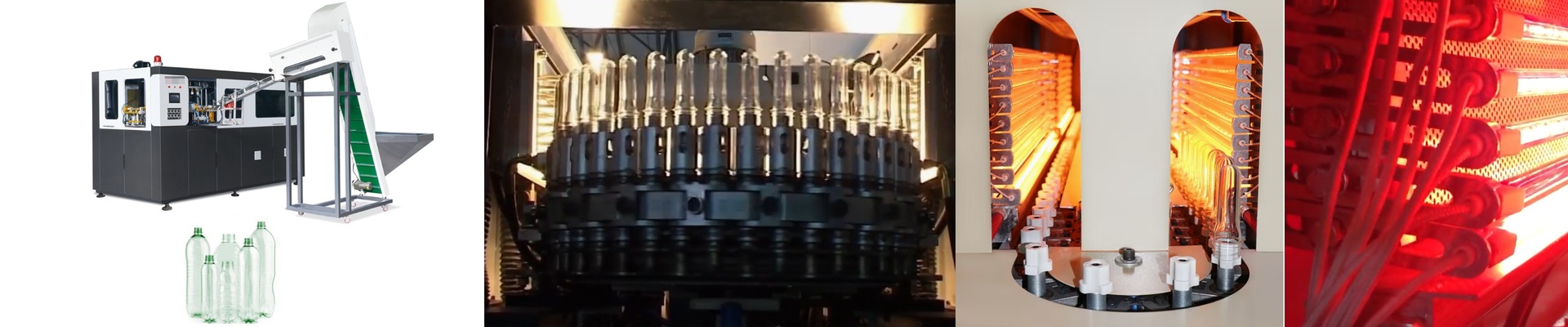
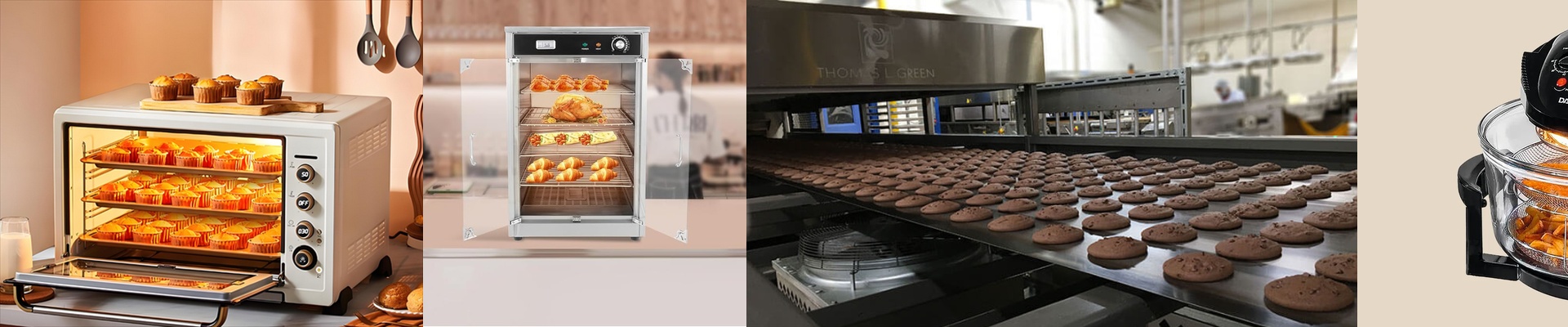
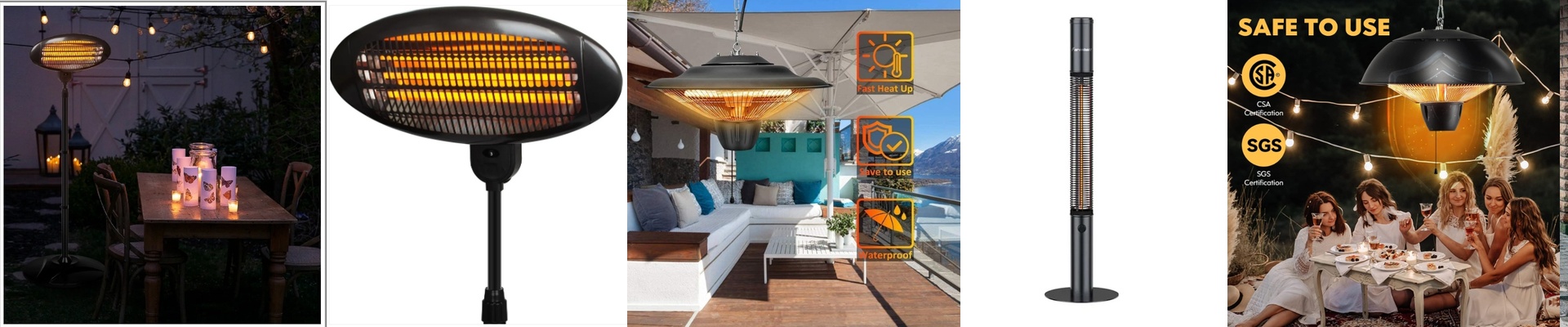
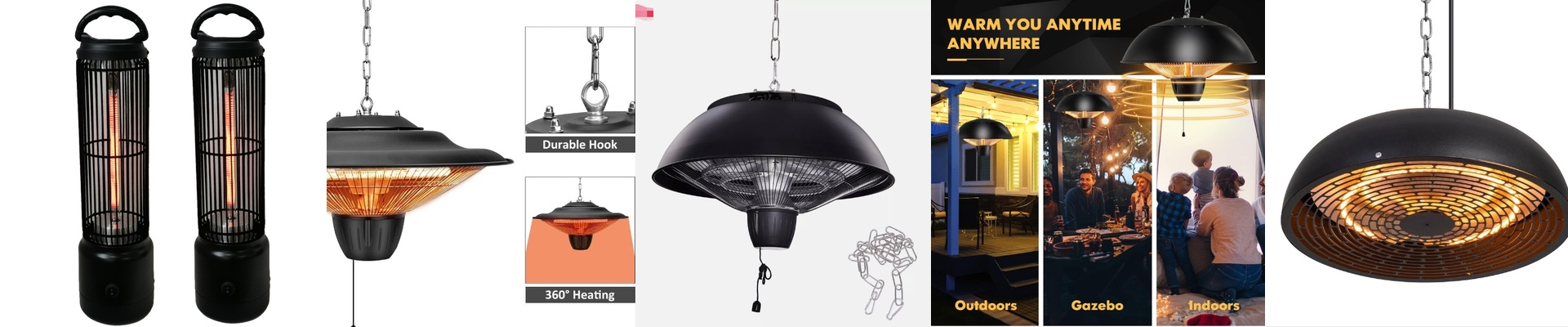
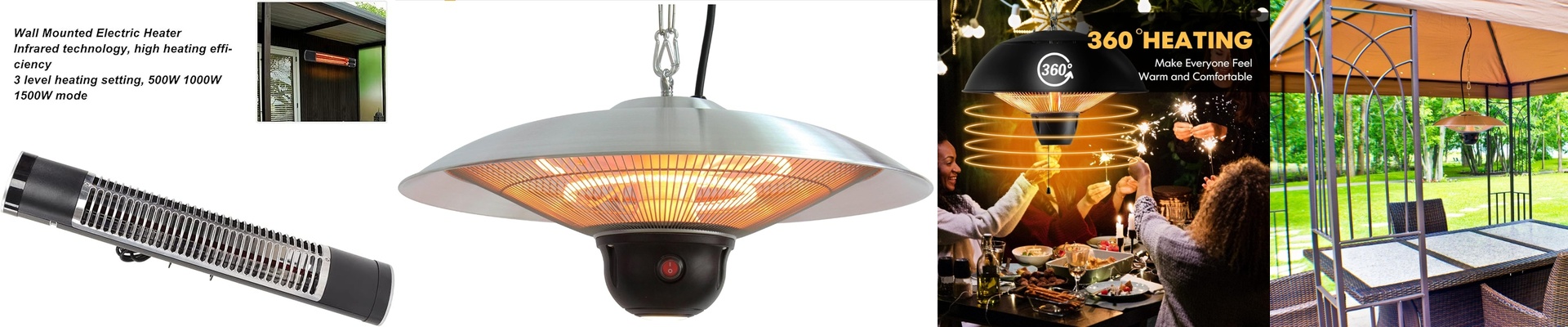
Most convection ovens just heat up the air. It works, but when you’re trying to push out a mountain of pizzas, that air becomes a bottleneck. It’s just too slow. We decided to skip the air entirely. Instead, we use 110V shortwave infrared bulbs. These things don’t bother warming up the whole chamber; they shoot energy straight into the dough and cheese. It’s a completely different way of moving heat, and it’s why we can crash a bake cycle from 300 seconds down to 90. The secret is in the bulbs. We went with 110V so they plug right into standard North American outlets. No bulky transformers, no headache. The shortwave light hits the moisture in the dough almost instantly. You get that rapid evaporation and the “oven spring” that gives you a perfectly crisp crust. The best part? The heat is directional. You can blast the top of the pizza without melting your conveyor belt or cooking the oven chassis. A few tips on the hardware These bulbs use quartz envelopes because the halogen cycle gets incredibly hot. We use R7s or similar snap-in connectors, which makes swapping them out a breeze when they eventually wear out. Just a heads-up:**use high-temp wiring.**I can’t stress this enough. These lamps run hot. If you don’t have proper venting in your housing, you’ll fry your sockets in no time. The catch Here’s the thing: when you move to a 90-second cycle, you’re playing with fire. Literally. The heat density is intense. If your conveyor belt is off by just a few seconds, you’ll end up with charred toppings and a raw center. You have to spend some time dialling in the lamp height and the belt speed together until it’s just right. It’s a trade-off. You get massive speed, but you lose that “safe” feeling of a slow, ambient bake. You have to be precise, but the throughput you get in return is worth the effort.