
Keeping the Heat Steady: Why Carbon Fiber Actually Works for Bakeries
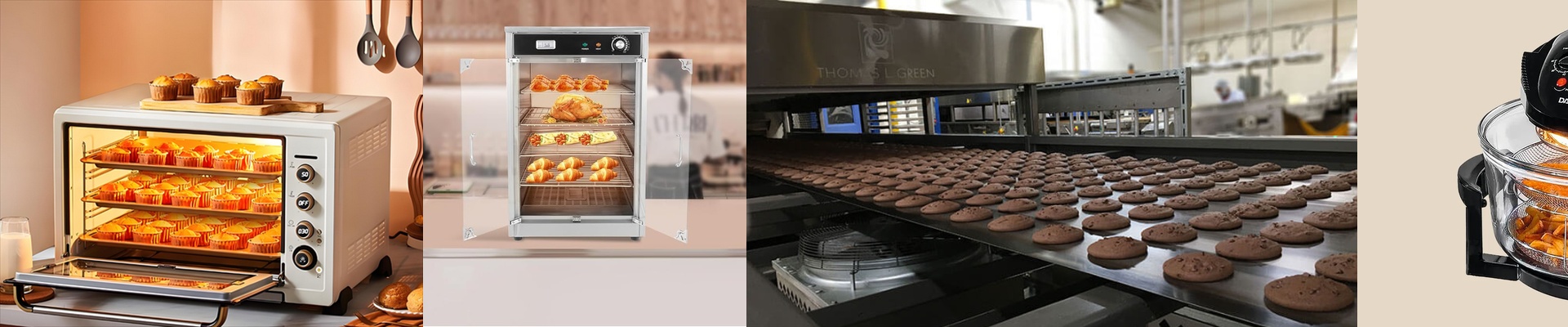
Anyone who’s spent time in a professional kitchen knows the struggle. You open the oven door, a cloud of heat escapes, and suddenly you’re fighting a losing battle to get the temperature back up. Then you slide in a dozen trays of cold dough, and the oven just… dips. Standard heating coils are too slow. They lag. By the time they catch up, your bake is already off. That’s why we switched to carbon fiber elements and infrared (IR) controls. It changes the whole vibe of the kitchen.
The Magic of Infrared
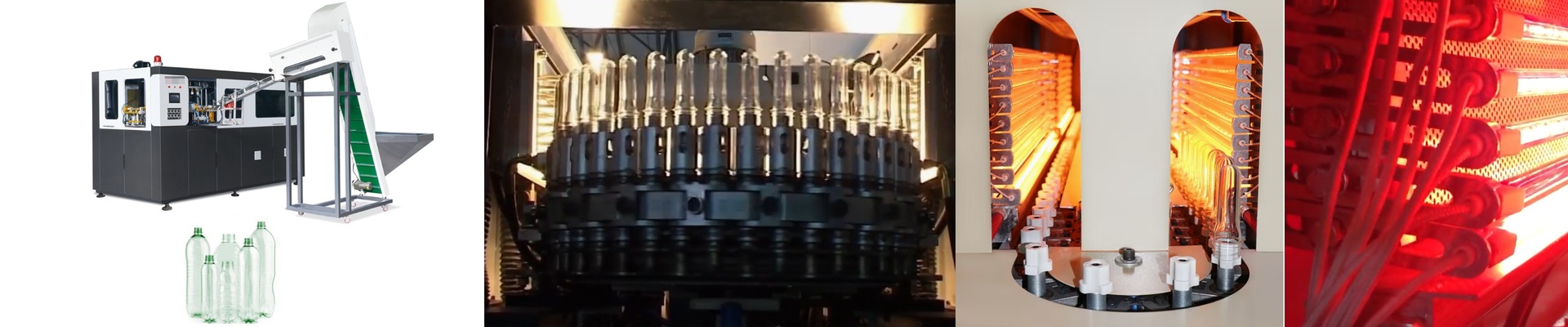
Here is the thing about carbon fiber: it doesn’t waste time trying to heat up all the air in the room first. Instead, it shoots short-wave infrared radiation straight into the product. It’s nearly instant. Because these elements have such high heat density, we can pack a ton of power into a tiny space. You get way more punch than you’d get from those old, clunky stainless steel tubes.
No More Temperature Rollercoasters
If you’re using a basic on/off thermostat, you’re basically guessing. You’ll always have those annoying swings in temperature. We do things differently. We use high-precision IR sensors that talk directly to a PID controller. The second the sensor feels the surface temperature dip, it cranks up the voltage to the carbon fiber elements. It happens in real-time. You’ll notice this most when you’re loading the oven during a rush. The system feels the cold dough hitting the deck and reacts before the air temperature even has a chance to drop. It just stays steady.
A Few Things to Watch Out For
Now, carbon fiber is fast, but it’s a bit temperamental. If you push the voltage past the limit, you’ll fry the fibers. Period. You need a power supply that doesn’t flicker or spike. And since the heat is so direct, you have to be careful with your angles. If the emitters aren’t positioned just right, you’ll scorch the crust before the inside is even warm. Spacing isn’t something you can “wing”—it has to be exact. One last tip: use high-temp leads. If you don’t, the insulation near the housing will melt, and then you’ve got a real mess on your hands.