Getting the Heat Right in Your Rotary Oven
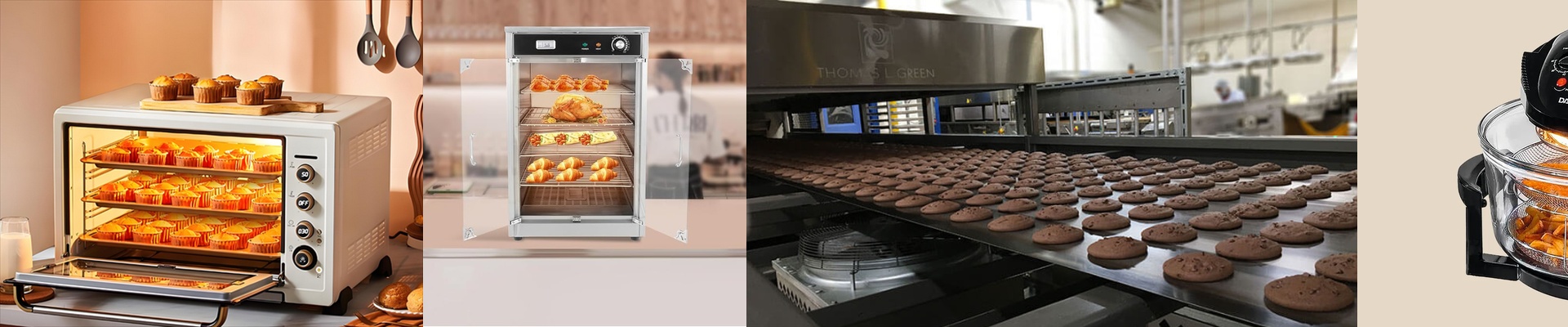
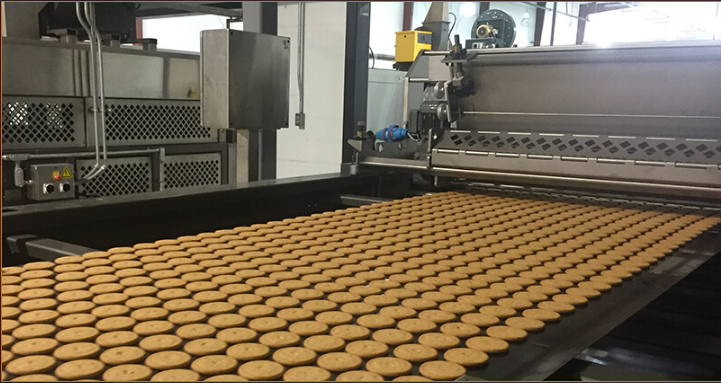
If you’re new to baking, you’ve probably had that frustrating moment where you pull a tray out and some loaves are perfect while others are practically raw in the middle. It’s annoying. Most of the time, it isn’t your recipe—it’s just the way heat moves (or doesn’t move) inside the oven. In a rotary oven, the goal is simple: every single inch of that oven needs to feel the same amount of heat. That’s why we use circular ceramic heaters. They kill off those “cold spots” that ruin your browning.
Why we go with circular ceramic
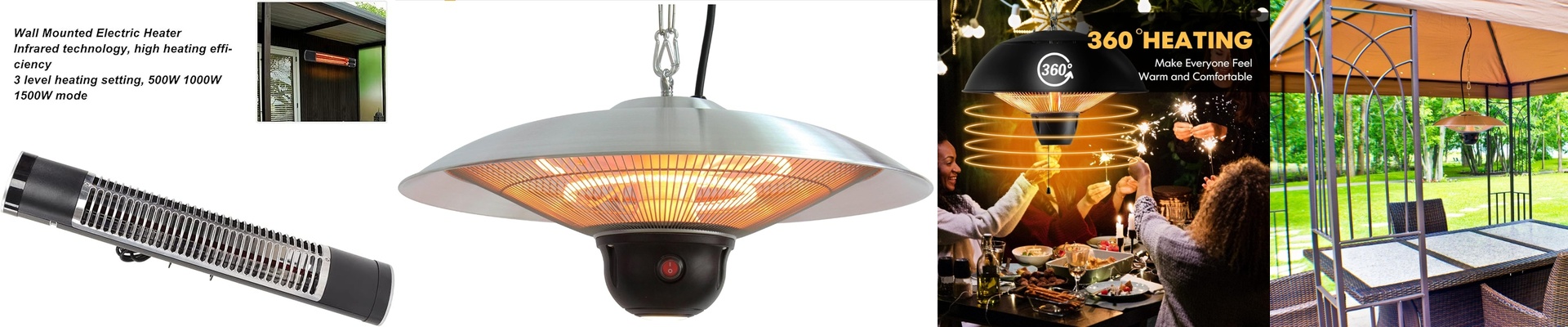
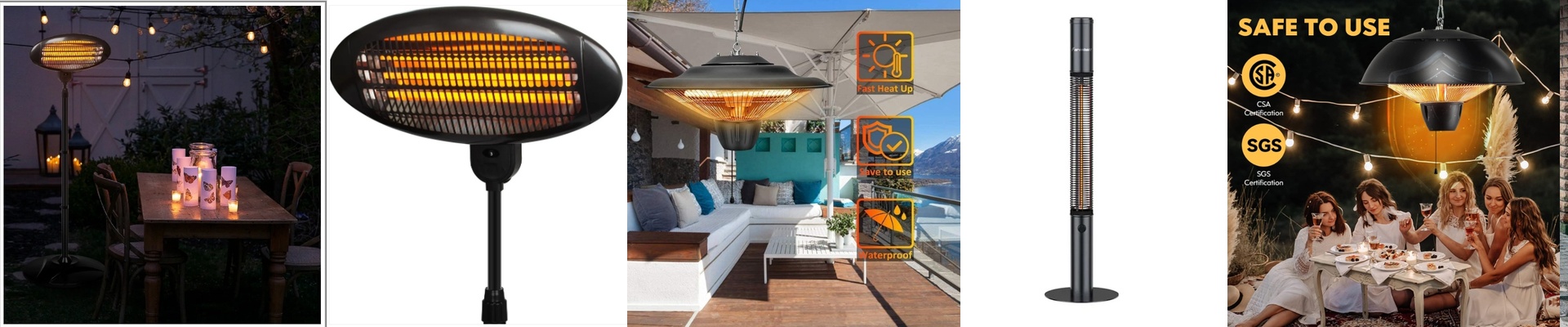
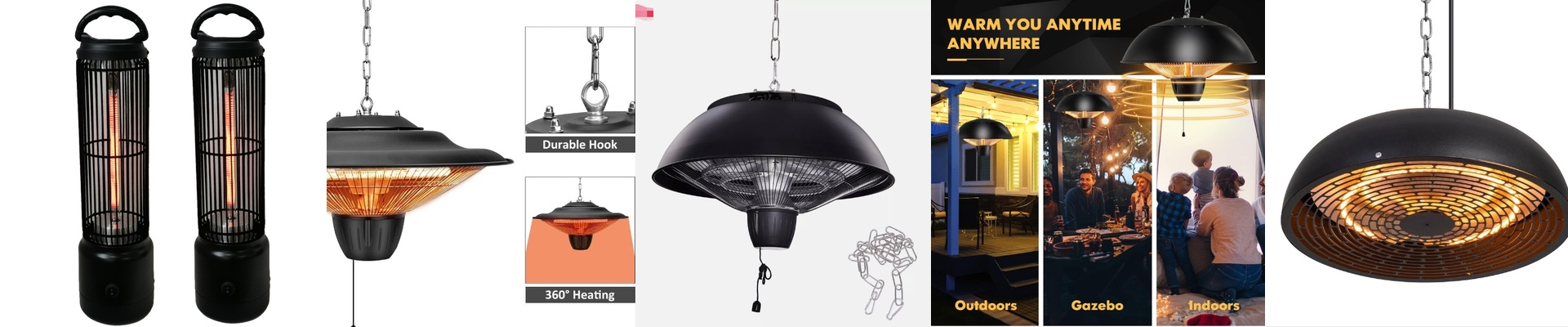
Standard heating rods are okay, but they tend to create patches of hot and cold. We design our ceramic heaters to wrap around the chamber or fit right into the rotary assembly. Because they’re circular, the heat radiates evenly across the racks as they spin. And we use ceramic for a reason. It doesn’t warp or freak out when the temperature jumps up and down. It just holds its shape and does its job.
The danger of “temperature swing”
Cheap controllers are a nightmare. They can swing by 5-10°C without you even noticing. For something delicate like a pastry, that’s a disaster. You end up with burnt edges and a doughy center. We keep things tight—within ±1°C. By pairing our ceramic elements with PID controllers, we stop the oven from “overshooting” the temperature. The second the oven hits your target, the system throttles the power. No more accidental burn-outs.
The trade-off
Here’s the thing: ceramic heaters don’t heat up instantly. They’re slower than quartz or halogen lamps. You’re trading that “instant-on” speed for something much better: stability. But because these elements hold onto heat for a long time, you need to make sure your cooling fans are up to the task. If your ventilation is weak, that leftover heat will bleed into your next batch and mess up the bake.
Getting it installed
These are pretty much drop-in replacements for most industrial rotary setups. Just a quick tip: check your wiring. Make sure it can handle the power draw when the oven is cranking at full blast. We always suggest using high-temp silicone wiring. It saves you from the nightmare of melted insulation near the ceramic housing.