Why Your Bathroom Heater Needs Explosion-Proof Glass
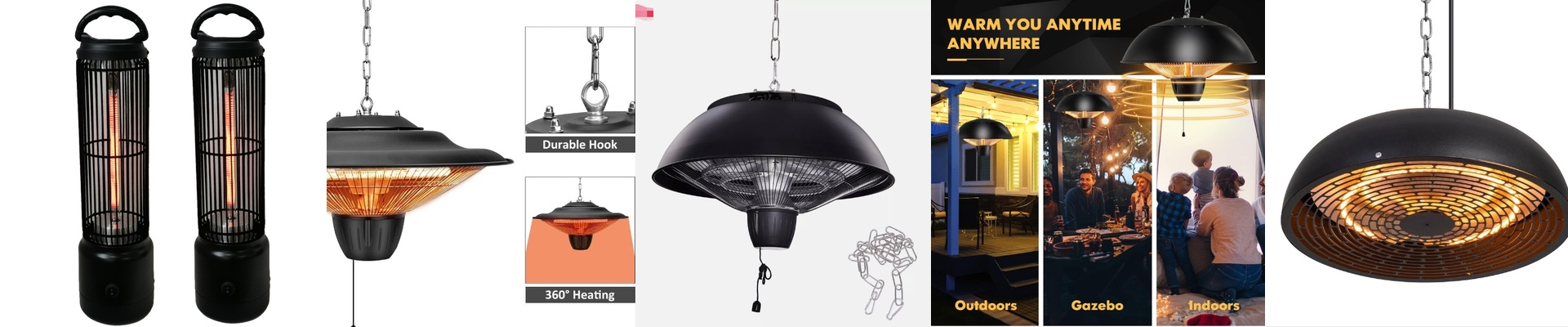
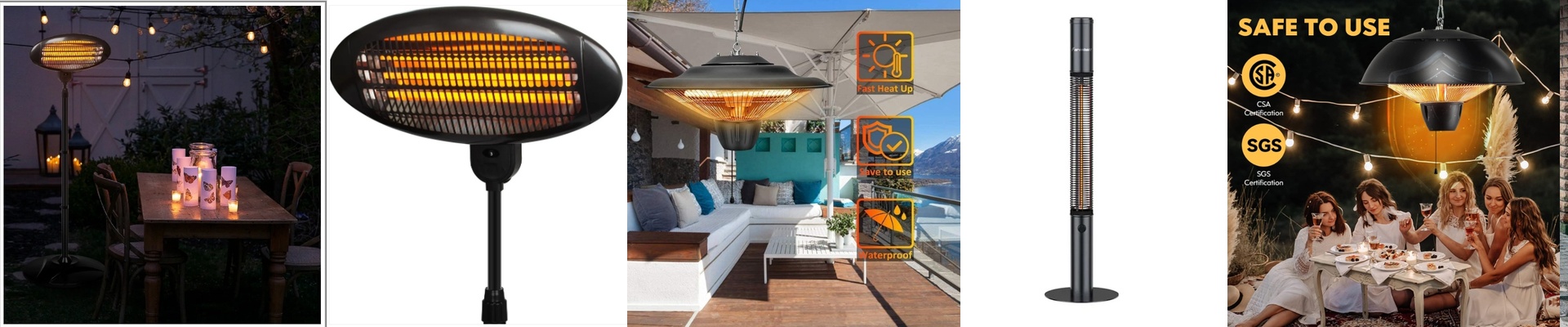
If you’ve ever put an infrared heater in a bathroom or outside in the rain, you know the stakes. You’re dealing with two things that hate each other: extreme heat and water. Here’s the problem. Most standard quartz lamps are fragile. If a single cold drop of water hits that glass while the filament is glowing red hot?**Pop.**It shatters. That’s why we use explosion-proof quartz. It’s not about making a bomb; it’s about making sure your heater doesn’t blow out while you’re stepping out of the shower.
Dealing with the “Shock”
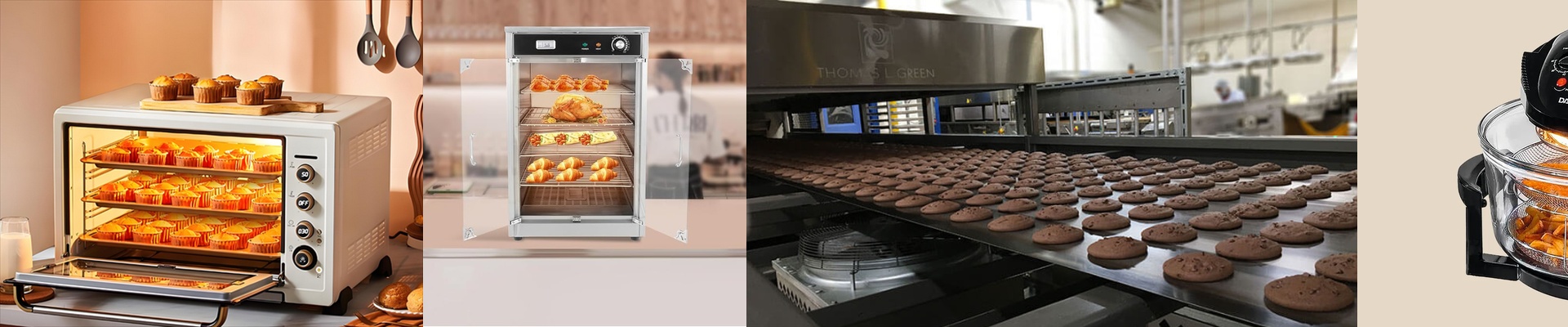
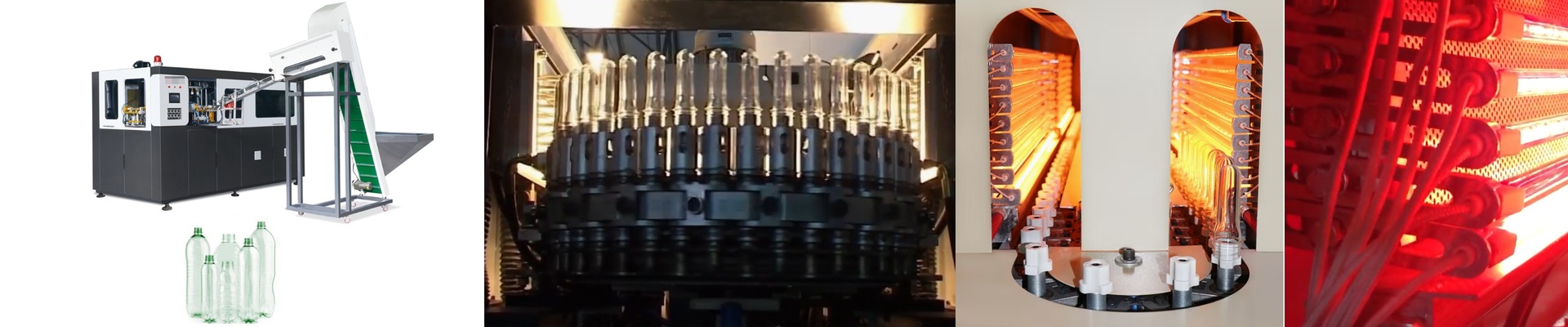
Standard quartz is pretty good, but it has a breaking point. When you hit a scorching hot surface with a cold splash, the glass panics and cracks. We fix this by using a reinforced composition and a special coating. It basically acts as a shield. It keeps the glass from fracturing when the temperature swings wildly in a split second. Plus, we keep the seals tight. These tubes have to hold in halogen gas while ignoring whatever is happening on the outside. If there’s even a tiny hairline crack, the filament burns out almost instantly. It’s a total loss.
It’s Not Just About the Glass
A “waterproof” sticker on the outside of the heater is a start, but it’s not the whole story. The real danger zones are the connection points—right where the wire meets the quartz. That’s where moisture loves to sneak in. To stop that, we use high-temp seals and terminals that won’t rust or corrode. One more thing: please, use a GFCI outlet. These heaters pull a lot of power to get you warm fast, and when you mix high wattage with water, you want that extra layer of safety.
The Honest Trade-off
I’ll be straight with you: the explosion-proof coating does change things a bit. Because of that layer, you might notice the heat isn’t quite as raw or intense as it would be with a completely clear tube. But honestly? It’s a trade you want to make. I’d much rather lose 2% of my heat than have a lamp burst in my face. Just a tip—make sure your mounting brackets are sturdy. These lamps get hot enough to warp cheap metal over time, so use the right gear for the job.