
Can Your Infrared Elements Actually Handle a 10-Hour Shift?
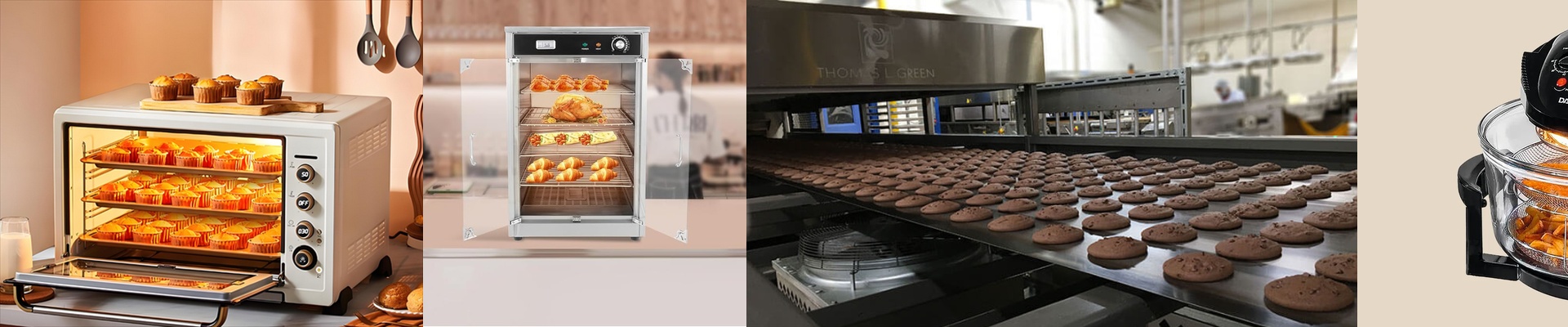
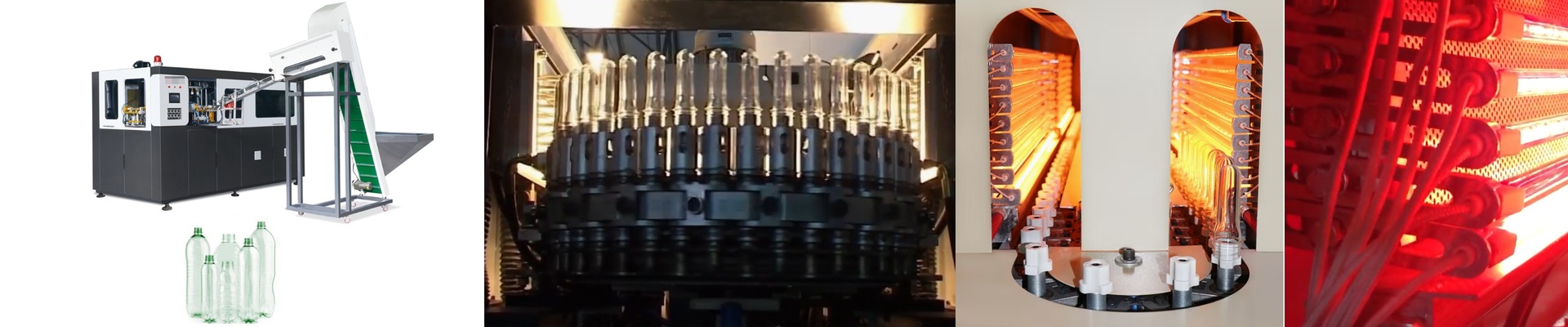
If you’re running a restaurant oven for 10 hours a day, you know it’s a brutal environment. Your heating elements are basically in a fight for survival every single shift. When people ask me if a high-quality domestic infrared tube can actually keep up with the big-name brands, I tell them the truth: it’s not about some magical “perfection.” It’s just about the materials and how they handle the heat. The battle against the “crack” Here is the thing about ceramic elements. They turn electricity into radiant heat, which sounds simple, but the constant expanding and shrinking as they heat up and cool down is what kills them. We use high-alumina ceramic composites because they don’t freak out under that kind of stress. If the ceramic is cheap or impure, the heat doesn’t spread evenly. That’s when you get a crack, and that’s when the element dies. The secret to a domestic tube that actually lasts is in the wiring. We wrap the internal resistance coil with a lot of precision. Why? Because we want to avoid “hot spots.” A hot spot is basically a death sentence for an element—it’s where the failure always starts. Will it actually last? Yes, a domestic tube can survive a 10-hour grind. But there’s a catch. You have to make sure the wattage and voltage actually fit your oven. The good news is that the ceramic housing does a great job of shielding the internal filament from the two biggest kitchen enemies: oxidation and grease. But look, you have to be realistic about the trade-off. Pushing for higher heat density means your food cooks faster, but it puts way more strain on the hardware. If you crank a tube to its absolute limit for 10 hours straight, it’s going to burn out. Brand name or not. It’s just physics. The trick is balancing your thermostat so you aren’t roasting the ceramic substrate itself. Swapping them out The best part is that these are just drop-in replacements. You wire them into your existing terminals, flick the switch, and they start radiating immediately. Since they don’t waste time heating up the air first, you’ll notice you’re spending less time waiting for the oven to pre-heat. Just a heads-up: double-check that your wiring can handle the amp draw. You don’t want to deal with a melted terminal in the middle of a dinner rush.