
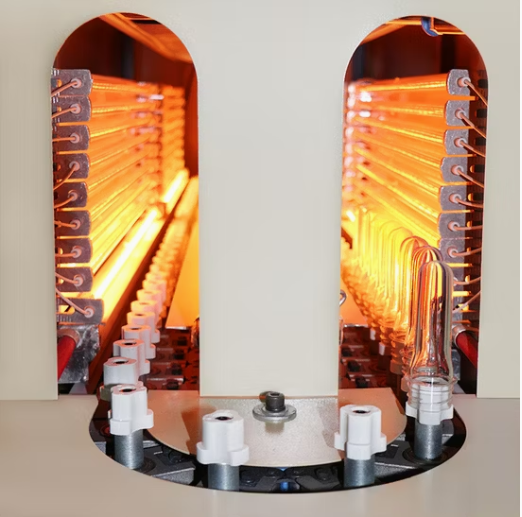
Stop the Burn-Outs on Your SIG Blomax Line
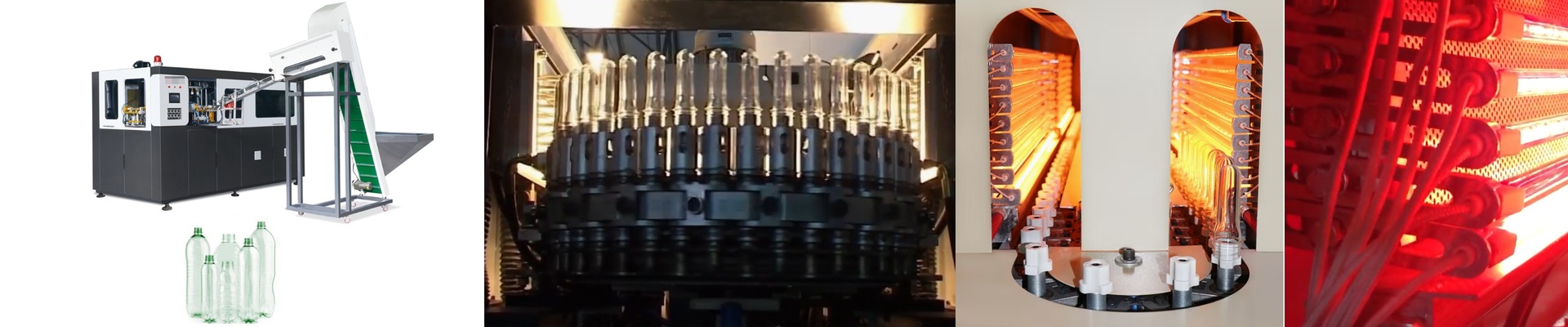
There is nothing more frustrating than a tube burning out right in the middle of a run. It kills your OEE, stops production dead in its tracks, and usually happens at the worst possible moment. When you’re blowing PC (Polycarbonate) preforms, those softening lamps have a tough job. They have to hit that exact glass transition temperature with high-intensity infrared energy, but without creating hot spots that ruin the plastic. If your lamps are snapping or dying way too early, it usually comes down to two things: the quartz envelope isn’t holding up, or the filament just can’t handle the voltage spikes.
Built for the Grind
We’ve seen where standard lamps usually give up. Most of the time, they fail at the pinch seal because the constant heating and cooling of PC blowing is just too much. That’s why we built our SIG-compatible replacements with a denser, reinforced quartz structure. It’s designed to take a beating—both from the mechanical vibration of the machine and the thermal shock of switching on and off all day. And don’t worry about the setup. These are simple drop-in replacements. They match the footprint and electrical specs of your original SIG gear, so you can just swap them in without messing with your controllers or lamp holders.
A Word of Caution on Heat
It’s tempting to crank up the wattage to squeeze out a faster cycle time. But here’s the thing: pushing more power through a short tube puts a massive amount of heat density on the ends of the filament. If your cooling blowers are clogged or just aren’t pulling enough air, those ends will overheat and pop. You’ll get a much longer life out of these lamps if you keep your airflow clean.
What This Actually Means for You
Switching to these reinforced tubes means fewer “surprise” shutdowns. We also focused heavily on filament stability. We wanted to stop that annoying “sagging” that happens over time, which usually leads to uneven heating across the preform wall. When the heat is steady, your bottle wall thickness stays consistent. Less scrap. Fewer headaches. More uptime.