Stop Fighting Your SIPA Oven: The Truth About Power Mismatches
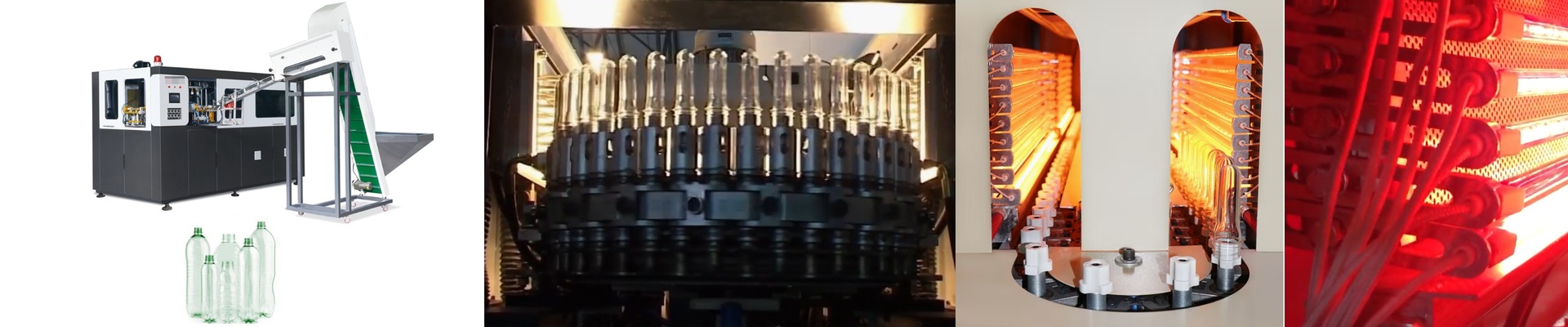
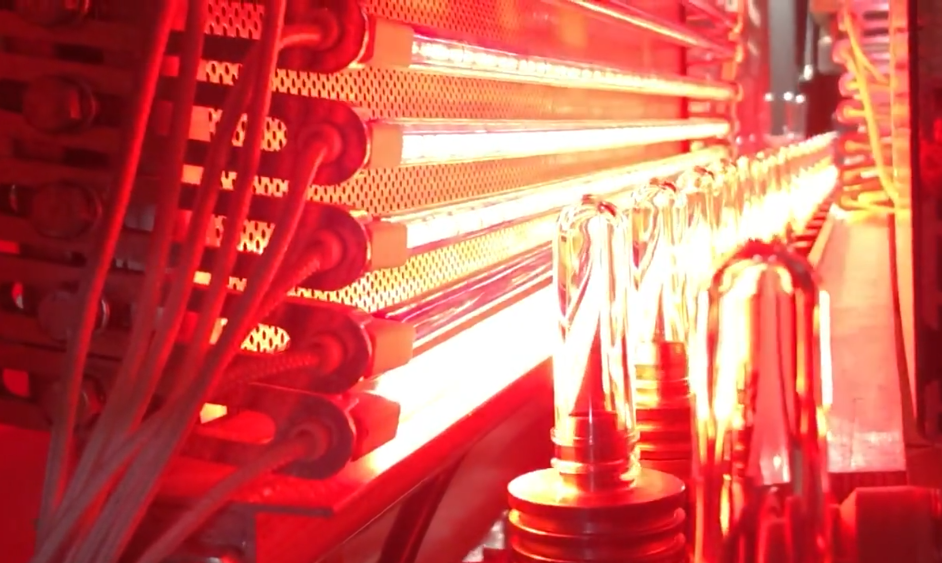
If you’re running a SIPA rotary machine, you know the headache of wall-thickness variations. It’s frustrating. You spend half your shift tweaking settings, only to find a “cold spot” in the oven that ruins a whole batch of PET preforms. Usually, the culprit is a generic lamp. When you use a bulb that doesn’t exactly hit the Sidel SBO 20024062 spec, you’re playing a guessing game. Those tiny fluctuations in power force you to slow down your cycle just to keep the bottles from bursting. It kills your productivity. The nitty-gritty on power matching Here is the thing: the SBO 20024062 is built for a very specific wattage-to-voltage ratio. We make our lamps to match that perfectly. Why does that matter? Because if the ohms are even slightly off, the infrared output shifts. Even a 5% difference in power density changes how the resin absorbs heat. Instead of a smooth process, you end up fighting the machine just to get a uniform temperature. It’s a waste of time. What’s actually inside the lamp We use high-purity quartz glass because it can take the thermal shock of rapid cycling without cracking. Inside, the halogen cycle keeps the tungsten filament from evaporating too fast. That means the lamp lasts longer before it finally pops. We also obsess over the connectors. They’re built to a tight tolerance so they seat firmly in the oven racks. A loose connection isn’t just annoying—it creates resistance that can actually melt your socket. Real talk from the shop floor These are drop-in replacements. No rewiring, no fuss. But a word of advice: these high-wattage shortwave lamps put out an intense amount of heat. If your ventilation is clogged or your cooling fans are acting up, the lamps will run hotter than they should. That eats away at the filament life. And please, keep your reflectors clean. A dirty reflector can waste 20% of your heat. That forces the lamp to work overtime just to hit the target temperature, which is a shortcut to a burnout.