
Getting Your Blow Molding Line Back Up and Running (Without the OEM Headache)
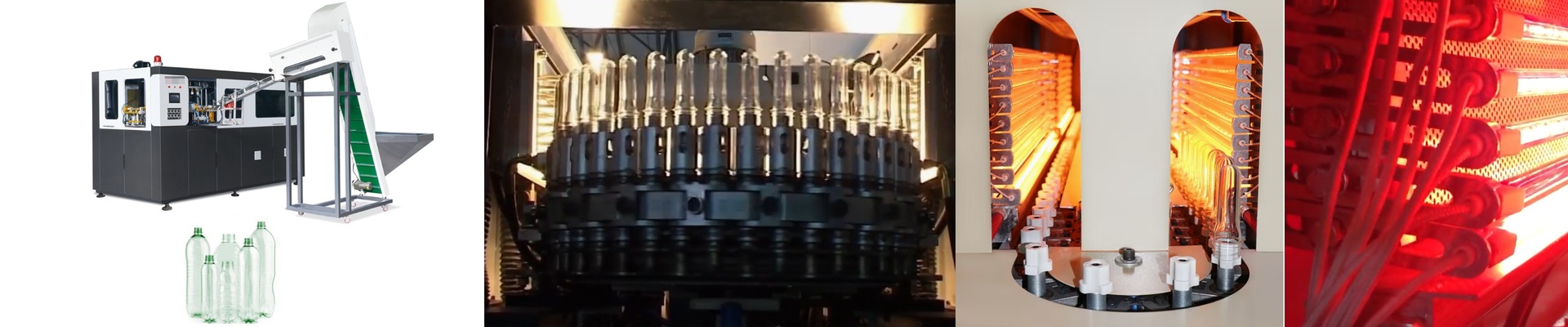
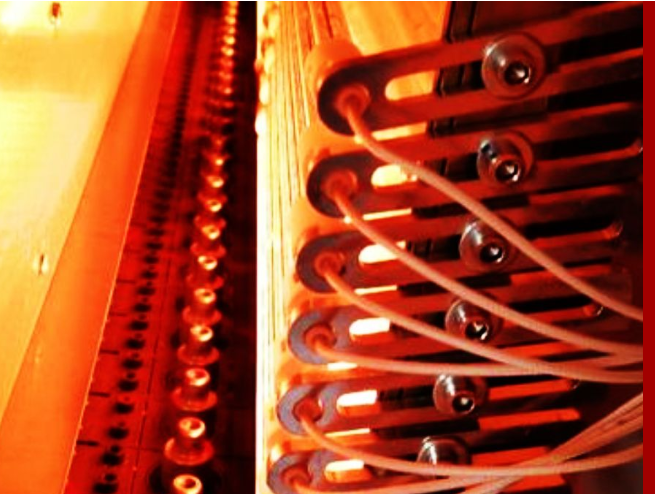
If you’re running a PET blow molding line, you know the drill. A short-wave IR lamp burns out, and suddenly your production is grinding to a halt. You don’t want to spend your afternoon rewriting PLC settings or praying that a replacement part actually fits. You just want a lamp that drops in and works. That’s why we build our IR lamps to be brand-agnostic. Whether you’re running Amsler or something else entirely, our gear fits about 95% of the systems out there. The “Perfect Fit” Problem Here’s the thing: voltage and wattage aren’t just numbers on a spec sheet. They’re the difference between a perfect bottle and a distorted mess. If you’ve got a 400V system, you need a lamp that can handle that load without the filament giving up the ghost a week later. But it’s not just about the power. The physical size has to be spot on. If a lamp is off by even a few millimeters, it won’t sit right in the reflector. That leads to uneven heating, and once your bottles start looking wonky, you’ve got a real problem on your hands. The Nitty-Gritty: Quartz and Connectors We use high-purity quartz glass because it can take the hit. These lamps cycle on and off fast, and that thermal shock kills cheap glass. As for the plugs? We stick with R7s or Sk15 connectors. They’re the old reliable of the industry. They just slide right into your existing sockets—no new wiring, no fancy adapters, no fuss. Some of our tubes even have special coatings. Instead of just scorching the surface of the PET, these coatings help the heat actually sink into the wall of the preform. It’s a much cleaner way to get the job done. A Quick Reality Check Now, a word of advice. These lamps put out a massive amount of concentrated heat. If your oven’s cooling fans are clogged with dust or grime, the ambient heat will build up and fry your lamps, no matter how well we build them. Keep your ventilation clean, and your lamps will last way longer. The best part? We actually keep these in stock. You don’t have to deal with those brutal 8-week lead times you get from the OEMs. You just swap the tube, tweak your heat zones, and get back to making money.