
Getting Your Halogen Lamps Right in an Automated Kitchen
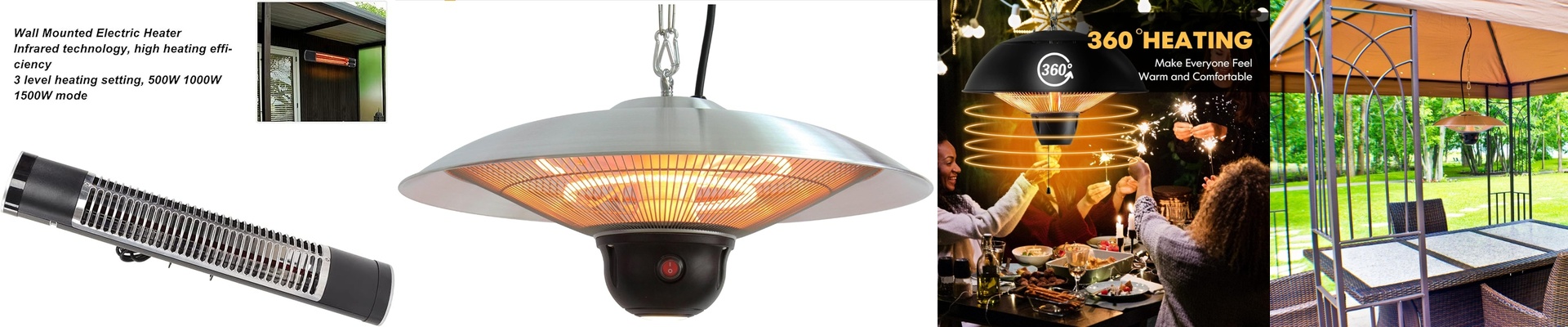
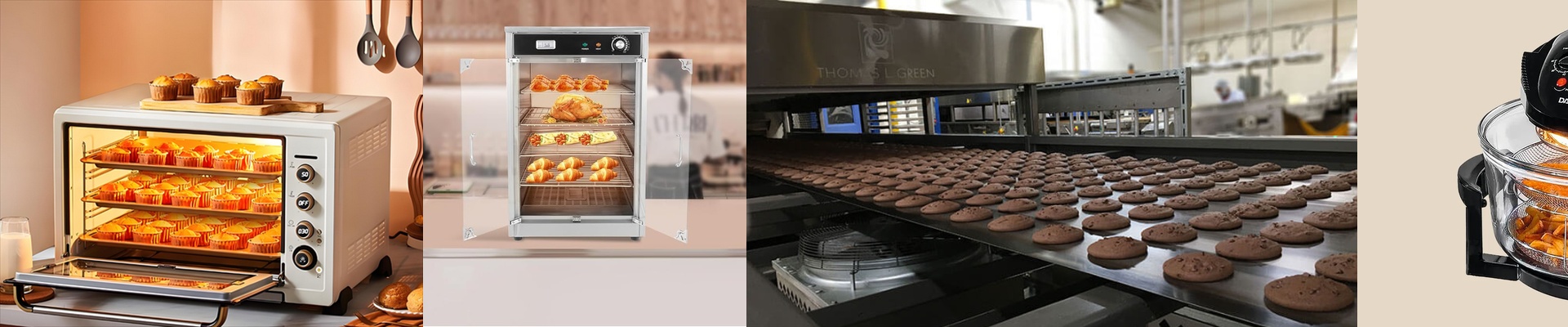
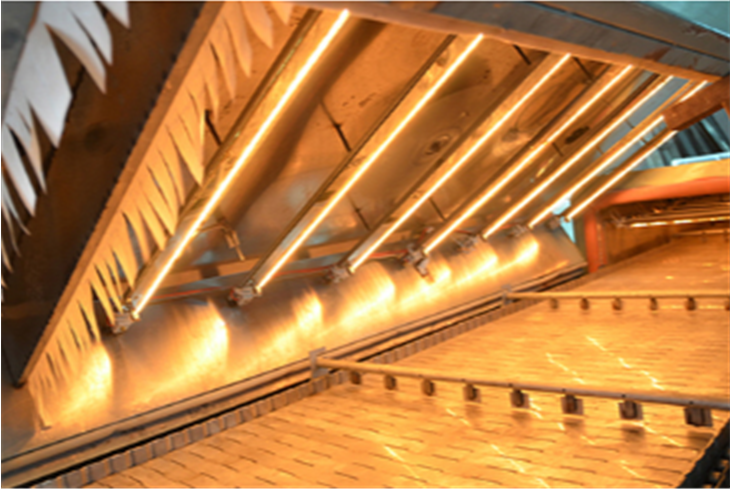
If you’re running an automated commercial oven, you probably know that short-wave infrared halogen bulbs are the secret sauce. They don’t waste time heating up the air around the food; they just blast energy straight into the surface. It’s instant. But when you move these onto an automated line, it stops being about “making it hot” and starts being about timing. The battle with heat response Here’s the thing: halogen tubes have almost zero thermal mass. They hit top speed in milliseconds. If your control system is sluggish, you’ll overshoot your target temperature before the sensor even realizes what happened. That’s how you end up with burnt food and a lot of wasted product. To stop that from happening, we pair a fast PID controller with a Solid State Relay (SSR). We also use high-frequency PWM. It keeps the heat steady and smooth, so you don’t get that annoying flickering. The hardware side of things You’ll mostly see R7s or SK15 bases in these ovens. They aren’t just there to make swapping bulbs easier. They actually keep the quartz tube stable so it doesn’t crack when things get hot and expand. We stick with high-purity quartz because it stays clear. There’s nothing worse than a lamp that clouds over after a few hundred uses. The trade-off you need to watch It’s tempting to crank up the wattage for maximum heat density. Sure, your cook times drop. But there’s a catch. When you push that much power in a tight space, the ambient temperature around your wiring and sensors skyrockets. If you aren’t using heat-rated wiring, your insulation will melt, you’ll get a short, and your whole line goes down. It’s just not worth the risk. Swapping bulbs without the headache When it’s time for a replacement, keep it simple: match the voltage and wattage exactly. If you put a 230V lamp in a 110V circuit, it’ll never actually get hot enough to cook. On the flip side, over-volting a lamp is a great way to blow the filament instantly. One last tip? Check your sockets for carbon buildup before you plug everything in. It takes two seconds, but it saves you from dealing with nasty electrical arcing later.