Getting Your Crust Right: The Secret of Infrared Heat Bridges
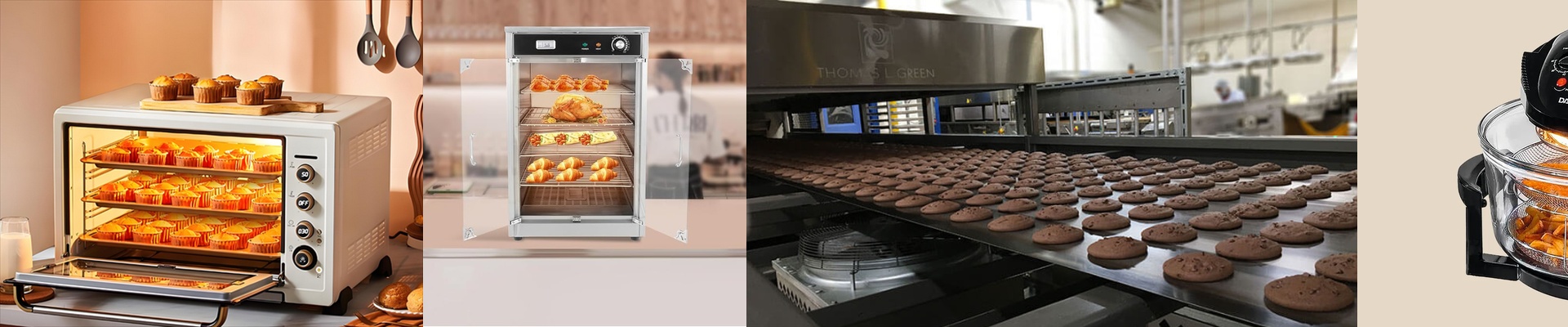
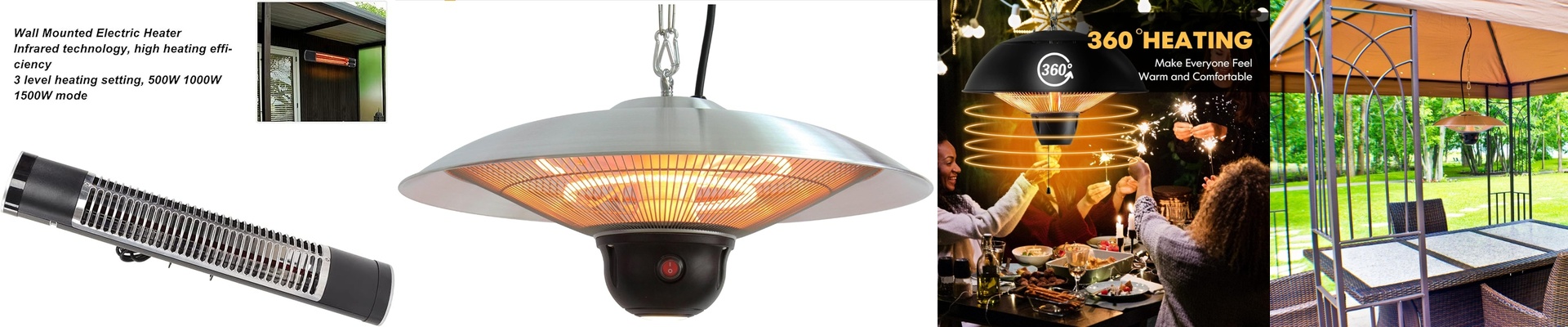
If you’ve ever wondered why some bakery ovens produce that perfect, shatter-crisp crust while others just leave you with bread that feels… meh… it usually comes down to the “heat bridge.” Most ovens use convection to get the inside of the loaf cooked, but the bridge is where the magic happens. We use infrared (IR) emitters because they don’t bother heating up the air first. They just shoot energy straight into the surface of the dough. It’s immediate. It’s intense. And it’s exactly how you get that professional finish.
How the Tech Actually Works
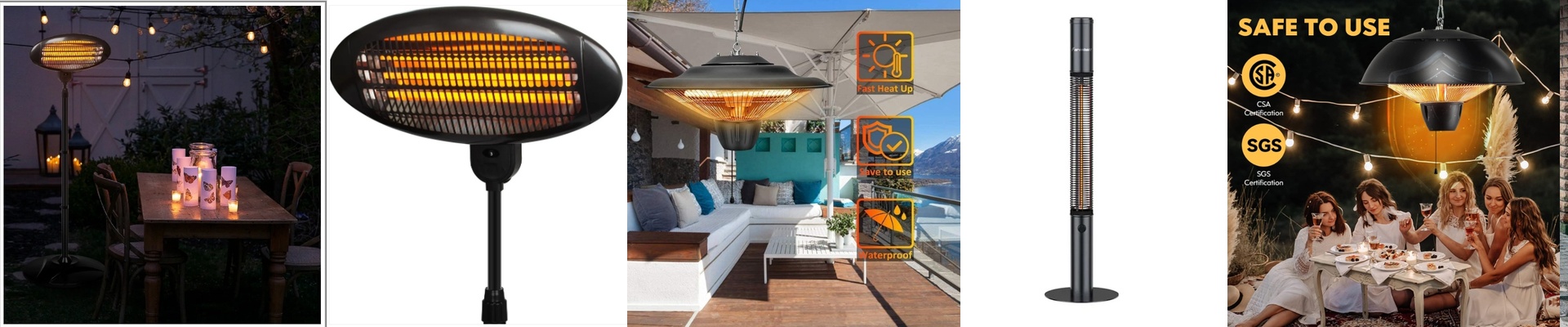
Most of the high-end bridges you’ll find use quartz-halogen tubes. Inside, there’s a tungsten filament. Now, in a cheap heater, that filament would burn out in no time. But we pressurize these tubes with halogen gas, which basically pushes the evaporated tungsten back onto the filament. It’s a clever little trick that lets the tube run hotter and last much longer. You’ll notice these are often high wattage packed into a very short space. That’s on purpose. You need that concentrated heat to trigger the Maillard reaction—that’s the science-speak for the browning and that incredible “fresh baked bread” smell that hits you the moment you open the door.
Getting Them Installed
The good news? These are pretty much drop-in replacements. We usually stick with R7s or SK15 connectors. **Do not ignore the fit.**If the connection is loose, you’ll get arcing. That’s a fancy way of saying sparks will fly, and you’ll end up melting your socket. Not a great way to start a shift. Then there’s the glass. Clear quartz glass gives you shortwave IR, which hits the surface hard and fast. Some tubes are coated to shift things toward medium-wave, which sinks a bit deeper into the dough. Depending on what you’re baking, you might prefer one over the other.
A Few Things to Watch Out For
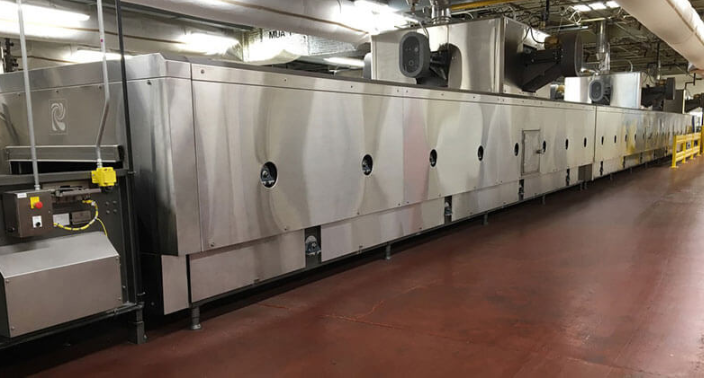
Here’s the catch: high-output IR tubes are power-hungry. If you’re swapping in a higher wattage replacement, please check your wiring gauge. These things get scorching hot. If your oven’s ventilation can’t handle the extra heat, you might warp the chassis or, even worse, fry your control board. It’s worth spending five minutes checking your setup now so you aren’t dealing with a dead oven during the morning rush.