Keeping Your Infrared Heaters Safe in Steamy Bathrooms
Putting infrared lamps in a bathroom or a steam room is a bit like playing with fire—literally and electrically. Water vapor is sneaky. It finds its way into standard housings, creates leakage currents, and before you know it, you’ve got a short circuit on your hands. If you want to hit that IP65 waterproof standard, the real battle is won or lost at the seal between the lamp terminals and the chassis.
Fixing the Leak
Most infrared lamps fail in damp spots because the connection points are just… open. It’s an easy fix, but you have to be intentional about it. We use specialized gaskets and sealed cable glands to shut the door on moisture. But here’s the trick: you can’t just seal it; you have to isolate it. We separate the heating element from the grounded metal housing using ceramic or PTFE insulators. Why? Because these materials don’t crumble or warp when the heater cycles from ice-cold to scorching hot.
The Nitty-Gritty Stuff
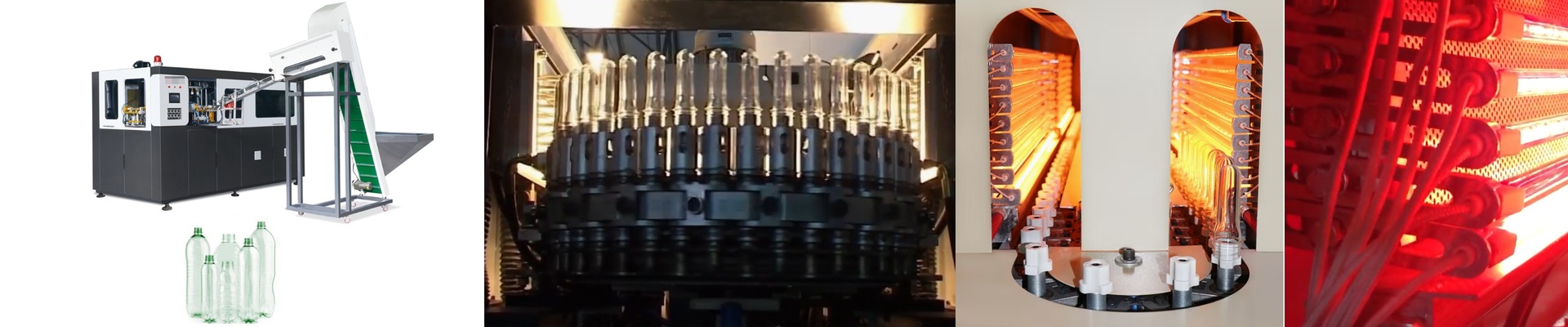
We don’t cut corners on the build. We use reinforced quartz glass and sealed end-caps. The wiring is the unsung hero here—silicone-insulated cables rated for 200°C. If you used cheap wiring, the outer jacket would just melt and crack, giving moisture a direct highway to the live wires. And please,**check your grounding.**Even with a fancy IP65 rating, a bad ground wire means the whole chassis could become live if a seal ever fails. That’s scary. To sleep better at night, put a Residual Current Device (RCD) in the circuit. It kills the power the millisecond it senses something is wrong.
The Trade-off (The Part Nobody Tells You)
Here is the catch. When you seal a heater this tightly to keep water out, you’re also trapping the heat inside. There’s no airflow. This means you can’t just crank the wattage to the max. If you over-drive these lamps, the internal heat will literally bake the seals. They’ll shrink, crack, and suddenly your “waterproof” heater is leaking. Stick to the rated wattage. Your seals—and your safety—will thank you.