
Getting Your Rotary Oven Temps Exactly Right
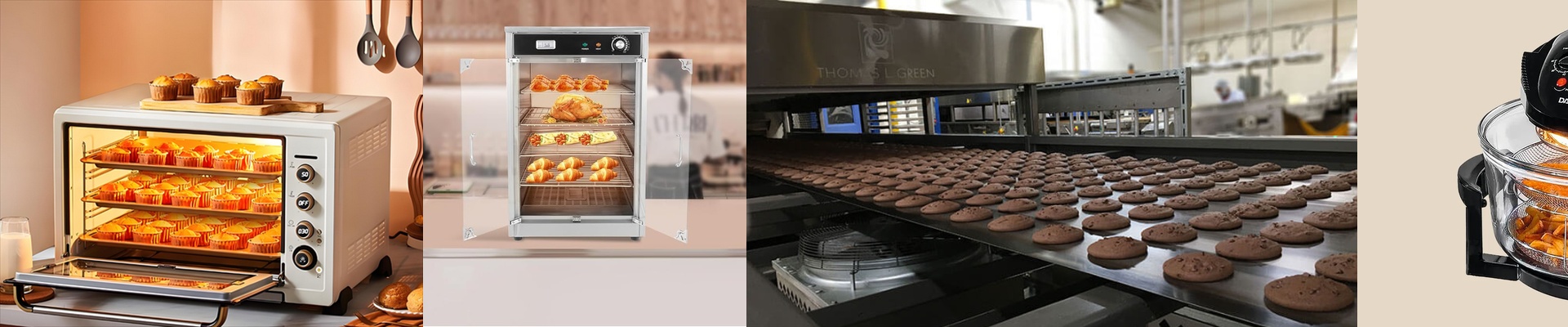
Nobody likes it when a batch comes out with burnt edges and a raw center. It’s frustrating, it’s a waste of product, and it usually comes down to one thing: hot spots. That’s why we leaned into ceramic heating elements. If you’ve used standard metal coils, you know they can be erratic. Ceramics are different. They put out a steady infrared heat that actually sinks into the food, rather than just searing the outside. The secret is in the “weight” of the heat. Think of ceramic materials as having a kind of thermal memory. They don’t just spike and crash the second the power flickers. Because they hold onto heat so well, your PID controllers don’t have to work overtime trying to keep up. Plus, when you’re running a rotary system, you’re constantly introducing cold racks into the oven. The ceramic just absorbs that shock. The cavity stays right where you set it, no matter how much the rack is spinning. Fitting them in We designed these to be a simple swap. You can slide them into your current oven layout without having to tear apart the chassis or rebuild the frame. Now, there is one thing to keep in mind. Ceramics aren’t instant. They take a bit longer to warm up than a quartz lamp or a halogen bulb. Your morning ramp-up will be a little slower. But once they hit that sweet spot? They stay there. The drift is basically zero. Does it actually work? We didn’t want to just guess, so we put ours up against the big-name international brands in real-world load tests. The results were pretty satisfying. We’re seeing a temperature variance of less than ±2°C across the whole zone. That’s the difference between a perfect bake and a ruined tray. If your current heaters are burning out or just aren’t holding their temperature anymore, these are a solid, long-term fix. They just work, and they keep working, even under the grind of a busy industrial kitchen.