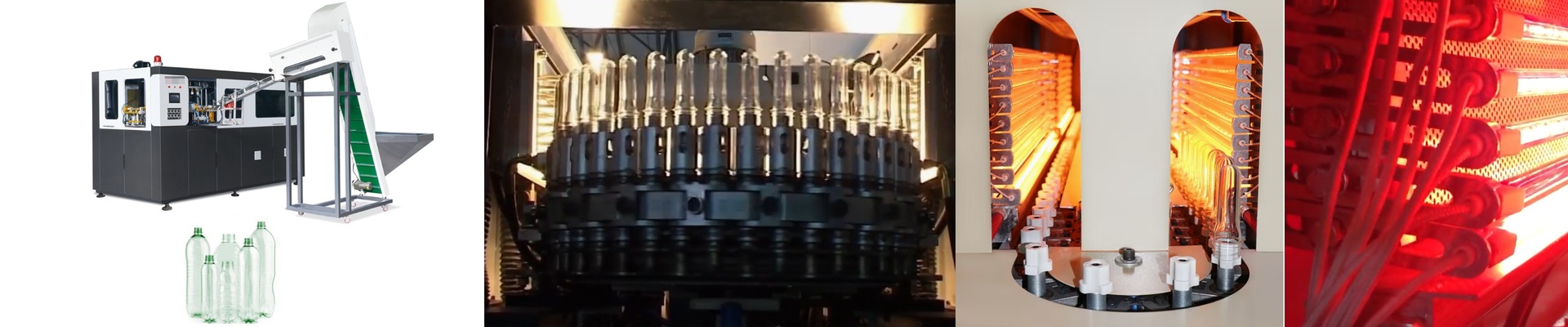
Let’s Talk About Clear Quartz IR Heaters
If you’re running a convection oven for 10 hours a day, you already know the headache: the heating elements always seem to be the first thing to give out. It’s the weak link in the chain. Most people go with clear quartz infrared (IR) lamps for these high-load setups. They heat up fast and pack a serious punch. But there’s always that nagging question—can a high-quality domestic tube actually hold its own against those expensive global brands when you’re pushing them to the limit? Here is the real deal. Why clear quartz? It’s all about getting the heat where it needs to go. Clear quartz lets short-wave radiation fly straight through without the glass soaking up the energy. It’s efficient. We use high-purity fused silica because these things take a beating. When you’re cycling the heat on and off all day, cheap glass warps or gets cloudy. This stuff stays clear and holds its shape. Keeping them alive Running an oven for 10 hours straight puts a massive amount of stress on the tungsten filament. The secret to making them last is all in the centering. If that filament sags even a little, you get hotspots. And hotspots are what kill your tube. Plus, factory power isn’t always “clean.” You get spikes. A low-grade tube will just pop under that pressure. We keep our vacuum seals tight and the gas fill precise so the tube can handle those voltage jumps without quitting on you. The catch Now, there is a trade-off. These lamps are fast and powerful, but they’re fragile. And here’s a tip:don’t touch the glass. If you get a fingerprint or a bit of oil on the quartz, it’ll likely crack right at that spot the first time it heats up. Tell your team to use clean gloves and treat them like delicate equipment during the swap. One last thing—if you’re wiring these into a high-wattage array, keep an eye on your airflow. The heat density is intense. If the air isn’t moving right, you’ll end up baking your connectors, and your lamps won’t last nearly as long as they should.