Why Most Bathroom Heaters Die (And How We Fixed Ours)
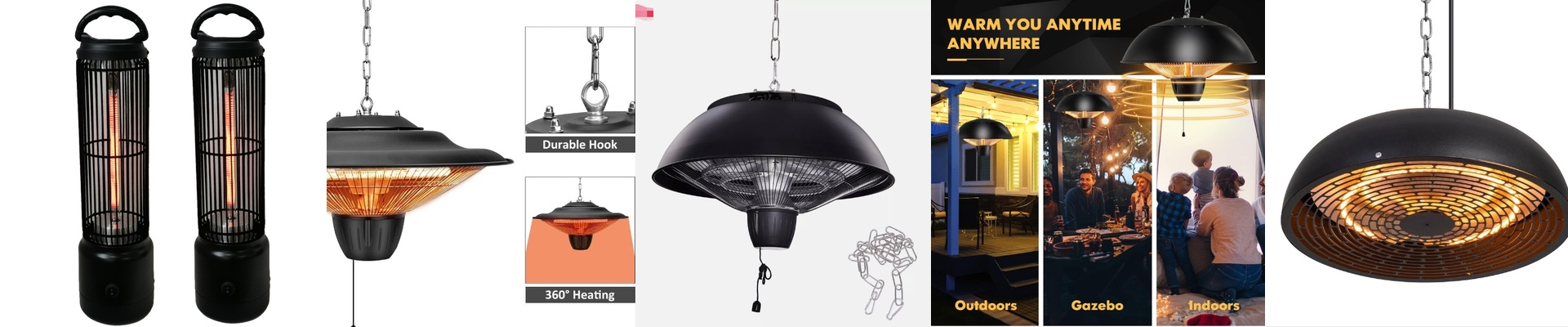
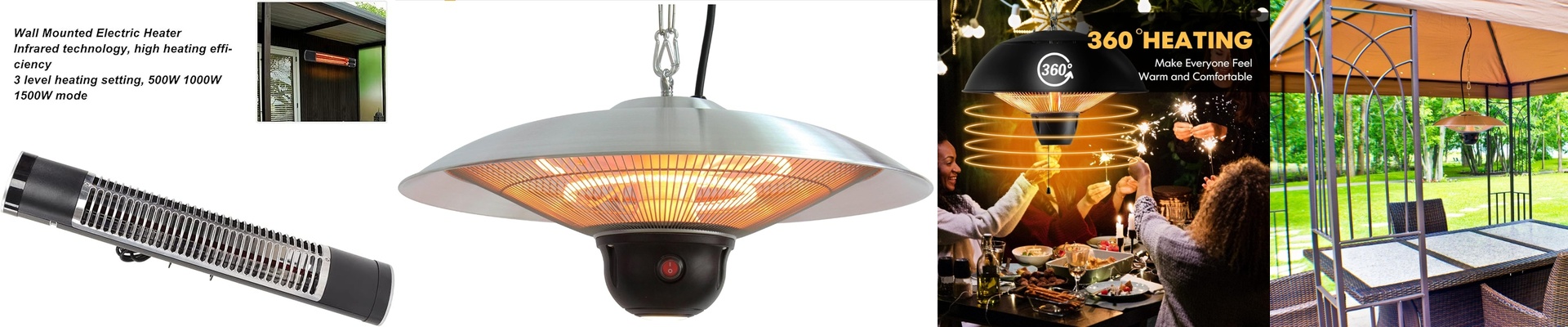
Let’s be honest: bathrooms are absolute murder on electronics. You’ve got thick steam, random splashes of water, and humidity that just doesn’t quit. For a heating element, that’s a nightmare. It leads to rust, short circuits, and a heater that quits on you right when you’re stepping out of a cold shower. We wanted to build something that actually lasts, so we focused on two things: keeping water out and stopping the fog. The battle against the fog Here is the problem with infrared lamps: condensation. When tiny water droplets settle on the quartz glass, they create “hotspots.” These spots make the glass expand unevenly, which is a fancy way of saying the glass cracks or the filament just snaps. To stop this, we added a hydrophobic coating to the reflector and the housing. Basically, it makes water bead up and roll right off instead of sticking. This keeps the heat path clear and stops that scary thermal shock from killing your heater. It just works. Stopping the leaks Most of these units die because water sneaks into the connection points. It’s the classic weak spot. We decided to tackle this by sealing the wiring junctions and lamp sockets with high-temperature silicone gaskets. We aren’t just slapping a cover over the electronics; we’re actually isolating the terminals from the damp air. So, even if you’ve got a steamy shower going full blast, the moisture can’t creep into the circuitry. The honest trade-off Now, I’ll be straight with you. Adding all these protective layers comes with a small catch. Because the unit is sealed and coated, it doesn’t put out quite as much raw, initial heat as an open-air industrial heater would. But honestly? That’s a trade I’ll make every single time. An open system might be a powerhouse for a week, but it’ll be dead in a few months in a bathroom. By sealing everything up, we’ve pushed the lifespan from a few hundred hours to several thousand. You lose a tiny bit of punch, but you get a heater that doesn’t give up the ghost the moment you turn on the tap. That’s a win in my book.