
Stop Fighting Cold Spots: How Halogen IR Actually Fixes Your Rotary Oven
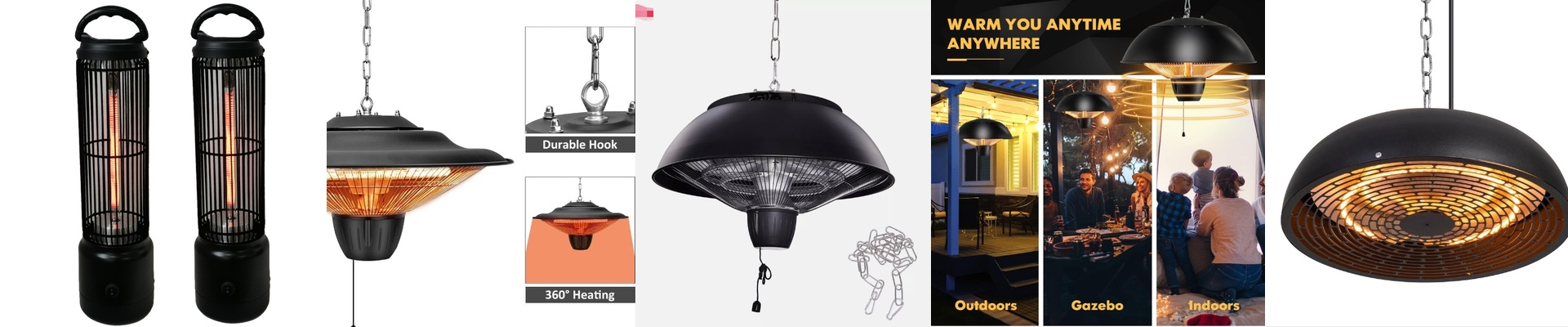
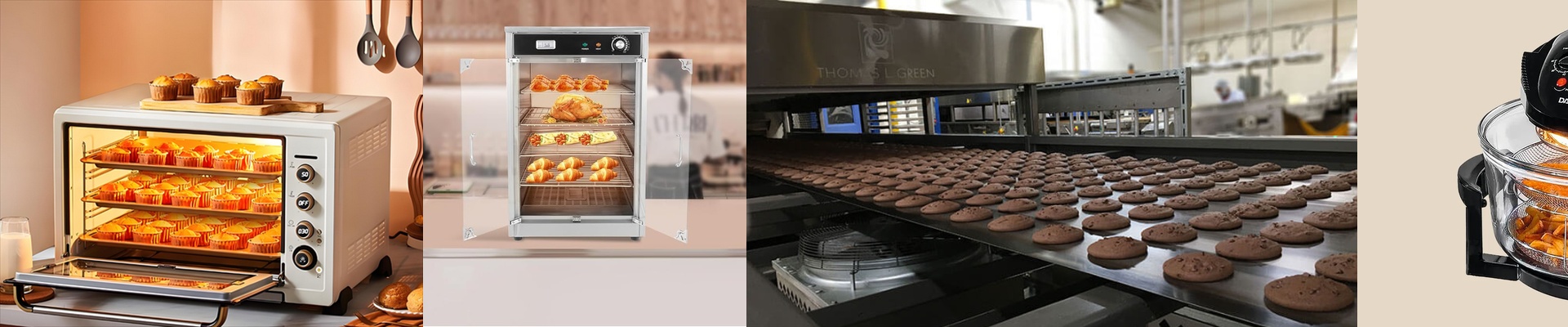
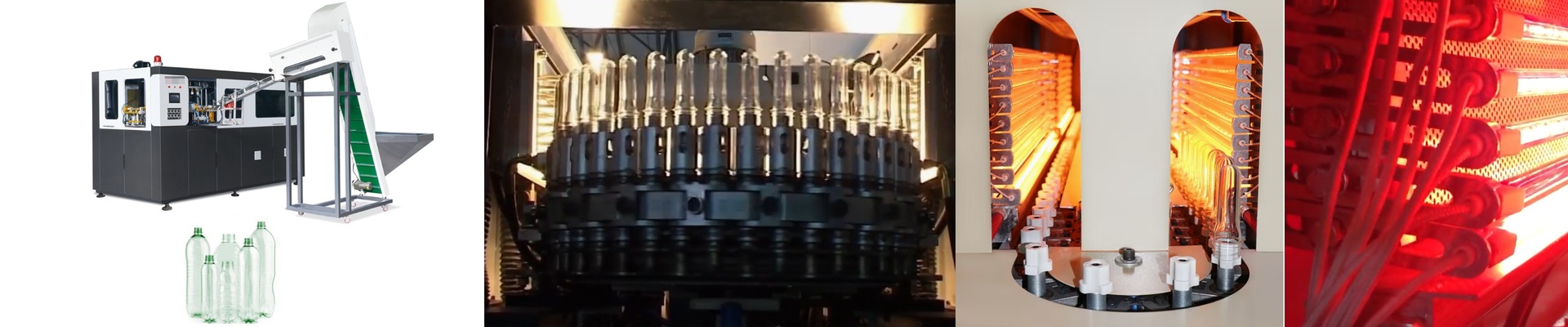
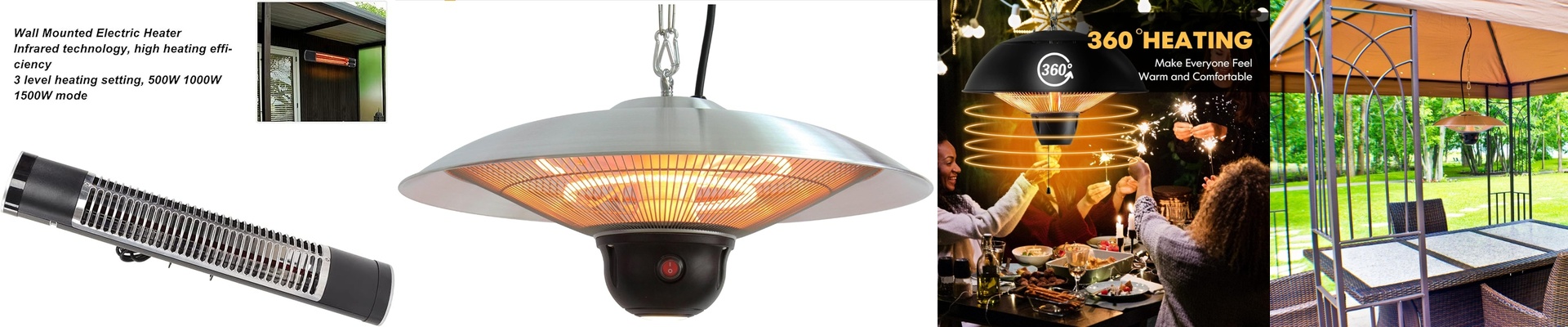
We’ve all been there. You pull a massive batch out of a standard convection oven and realize some pieces are perfectly golden while others are… well, barely cooked. Cold spots are a nightmare when you’re trying to scale up. Our fix is pretty simple: we stop relying on air to do the heavy lifting. Instead, we put halogen infrared lamps right into the rotary setup. Basically, we move the food through the heat, rather than hoping the hot air finds its way to every corner. How the heating actually works To get rid of those annoying dead spots, we arrange the halogen tubes in a specific pattern around the rotating drum. Here is the cool part: halogen lamps use shortwave infrared radiation. It doesn’t waste time heating up the air around the food; it goes straight into the surface. Because the product is constantly spinning, every single inch gets an equal dose of heat. You get that perfect, consistent crust and a steady internal temp without having to manually flip a single thing. The gear we use We use high-purity quartz glass for the tubes. Why? Because it can take a beating. When you’re cycling heat up and down rapidly, regular glass would just snap. The halogen gas inside is the secret sauce—it lets the filament run scorching hot without burning through the glass. Depending on how much space you have, we tweak the wattage and voltage to get the heat density just right. If you’re running a heavy-duty industrial line, you’ll probably want higher wattage. It helps the oven bounce back quickly after you open the door and let the heat escape. The tricky bits Now, shortwave IR is fast. Like, really fast. It hits the target instantly. But that speed comes with a catch. If you aren’t careful, the outside can brown way too quickly while the middle is still raw. It’s a balancing act. You have to dial in the rotation speed and the lamp wattage so you don’t end up with burnt edges and a cold center. Wiring this stuff is where precision comes in. We suggest using PID controllers to manage the power. If you just blast the lamps without proper regulation, you’ll fry the filaments and be replacing tubes way sooner than you should.