
Making High-Ceiling Infrared Heaters Actually Smart
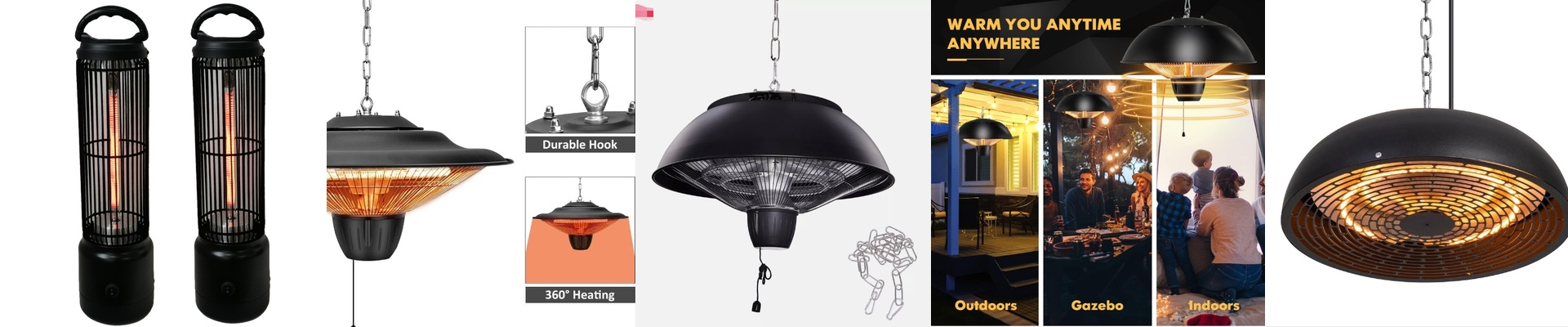
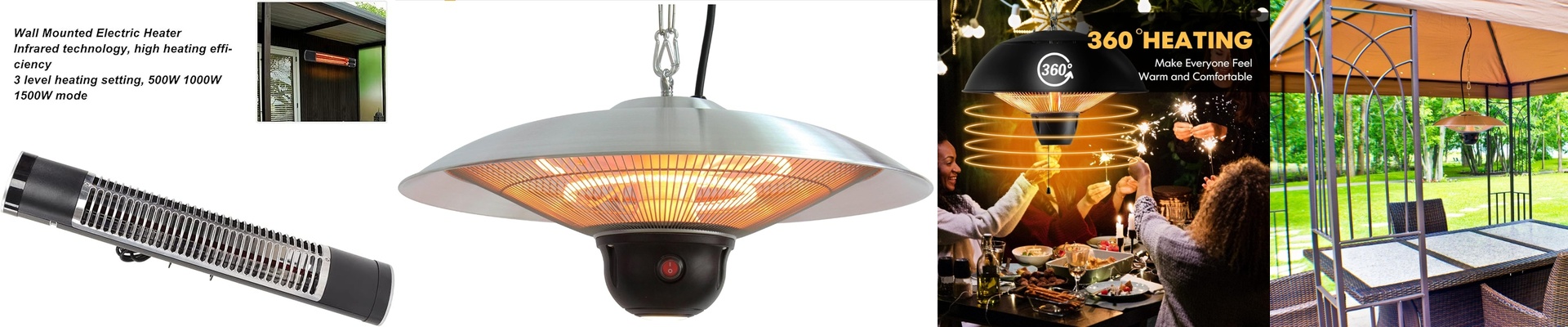
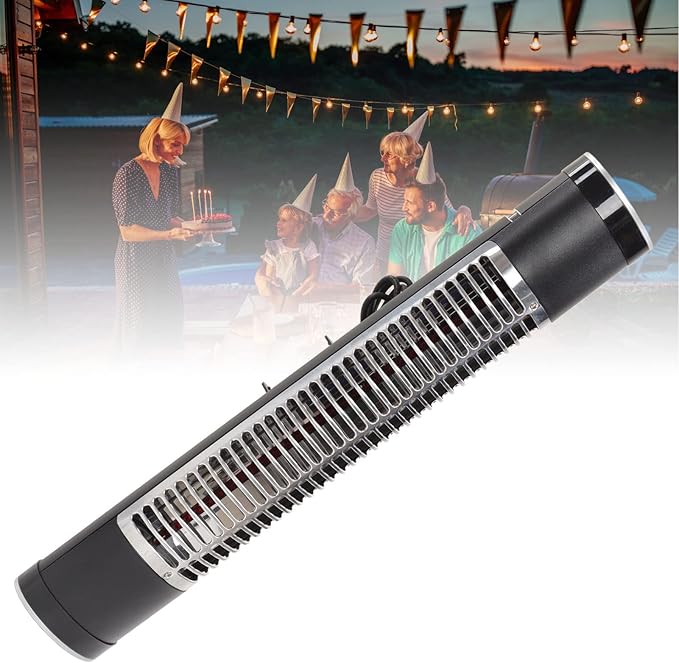
If you’ve got a room with massive ceilings, you know the struggle. You crank up the heat, but all that warmth just floats up to the rafters while you’re still shivering on the couch. That’s where infrared heaters come in. Instead of trying to warm up every single cubic inch of air in the room—which is basically a waste of money—these things beam heat directly at you. It’s like standing in a patch of sunlight on a cold day. Since the heat has to travel further from a high ceiling, you’ll need some beefy, high-wattage units to make sure you actually feel it by the time it hits the floor. Getting them on your network The real magic happens when you stop relying on that clunky wall switch and move everything into your smart home setup. By using a digital relay or a PWM controller—and hooking it up via Zigbee or Matter—you can control the heat from your phone or a voice command. And the best part? It’s instant. There’s no waiting for a furnace to rumble to life or for vents to start blowing. The second that relay clicks, you feel the warmth. It’s an immediate shift from “freezing” to “comfortable.” The gritty details (and a few warnings) Before you go all-in, check your electrical panel. These high-ceiling units pull a lot of power. If you try to run a few 2kW heaters on one circuit, you’re probably going to trip your breaker. To avoid a dark room and a cold house, just run a dedicated line for each zone. Also, throw away the idea of using a standard wall thermostat. They’re useless here because they measure air temperature, not radiant heat. Instead, use PIR sensors or occupancy trackers. This way, the heaters only kick in when they actually sense a person in the room. No sense in heating an empty floor, right? The “Just in Case” Plan Here’s the thing about smart homes: sometimes the internet dies. Or the hub crashes. And that’s the last thing you want when it’s ten degrees outside. I always install a physical override switch. It’s a simple, old-school backup. If the network goes sideways, you can still flip a switch and get warm. Simple as that.