
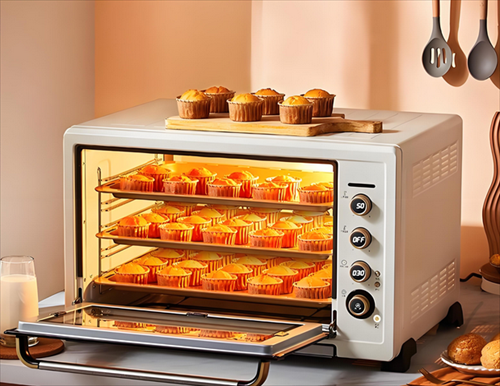
Getting the Heat Right: Why 220V IR Emitters Matter
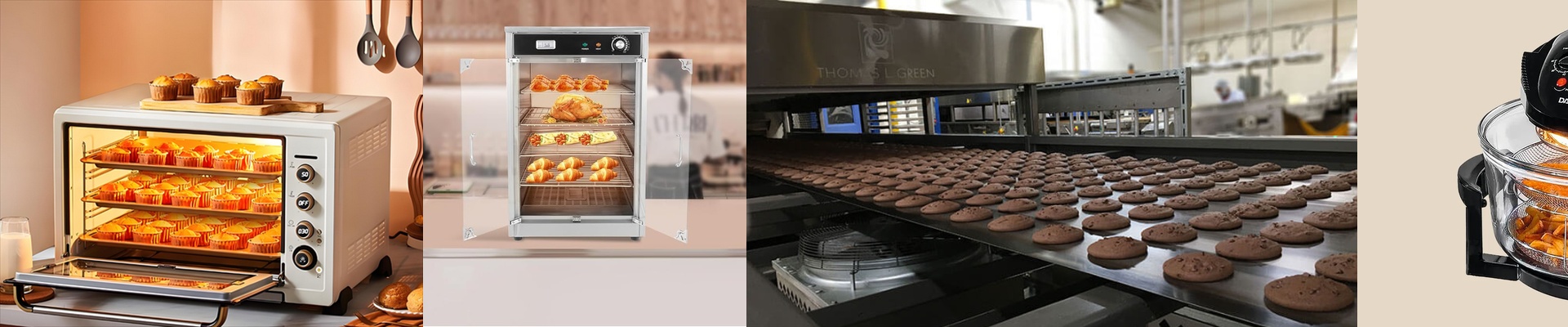
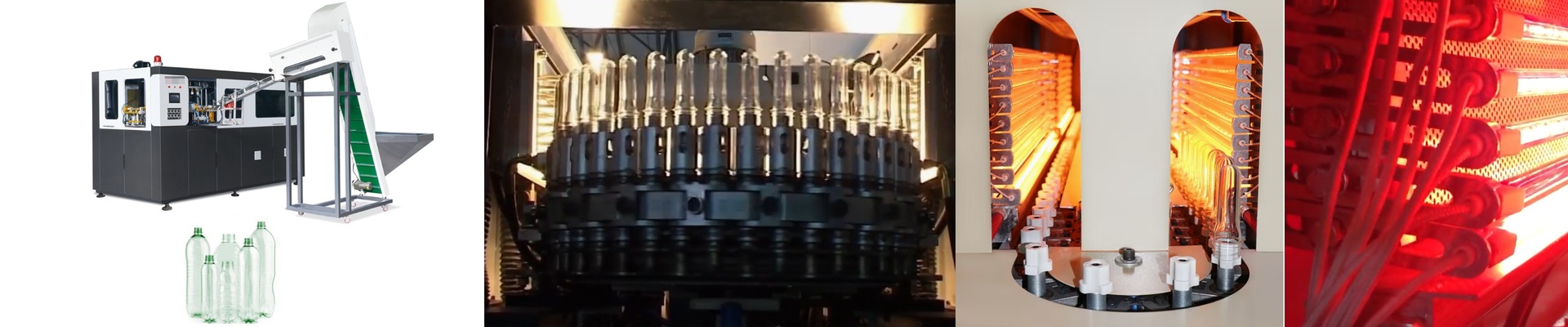
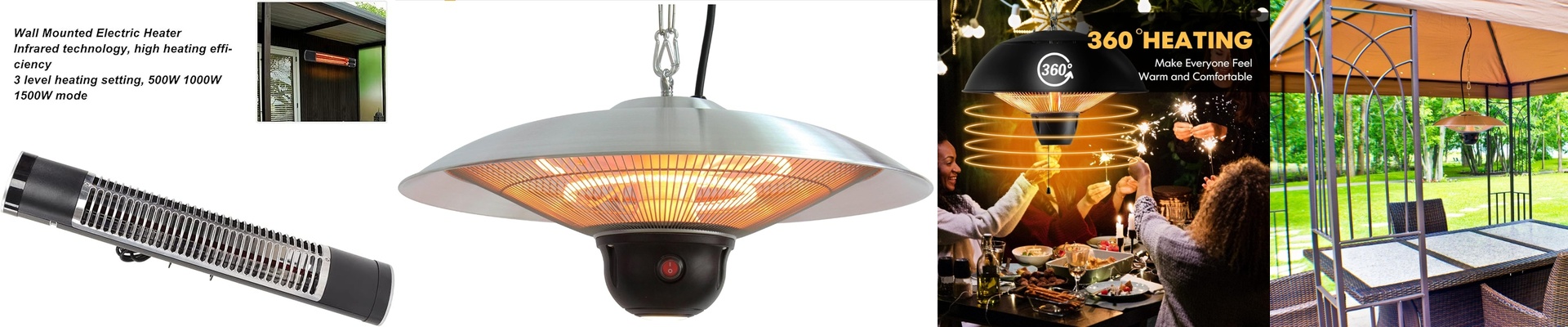
In the world of industrial baking, a single degree is a big deal. It’s the difference between a perfect, golden-brown crust and something that just looks… off. That tiny shift messes with the Maillard reaction, which means your crumb texture changes and your colors drift. To stop that from happening, we use 220V IR emitters. Now, these aren’t your run-of-the-mill heaters. They send out targeted radiant energy that works right alongside the forced air in your convection oven. Why 220V? We went with the 220V spec because it’s the sweet spot. It gives you the power density you need without turning your commercial kitchen’s electrical panel into a disaster zone. The way it works is pretty cool. The lamp turns electricity into short-wave or medium-wave radiation. Unlike hot air, which kind of drifts around, this radiation punches through the surface of the dough fast. Pair that with a PID controller, and you’ve got a system that reacts almost instantly. You can ramp up the heat in seconds. No more waiting around for the oven to “catch up.” The Quartz Secret We build the tubes out of high-purity quartz. Why? Because rapid heating and cooling usually make glass crack. Quartz just takes it. Inside, the filament is tuned to a specific wattage so the heat hits every inch of the oven rack evenly. We keep the quartz clear, too. Unless you need a specific filter, clear is better because it lets the maximum amount of energy hit your product. The Catch (and how to fix it) Here’s the thing: because these emitters have very little thermal mass, they react immediately. That’s great, but it means you have to be careful with your sensors. If your thermocouple is sitting too far away from the emitter, you’ll run into “overshoot.” You’ll end up with bread that’s burnt on top while the middle is still raw. To avoid that, use a controller that samples data quickly. And one last tip—watch your wiring. High-wattage IR tubes pull a lot of current. Make sure your wire gauge can handle the load, or you’ll deal with voltage drops that kill your consistency.