Giving Old Hot Dog Warmers a Second Life with IR Emitters
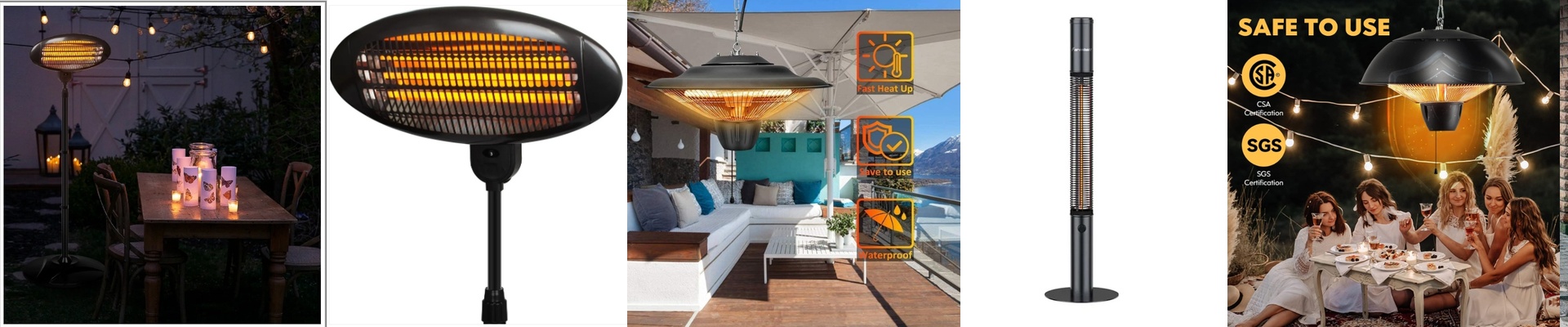
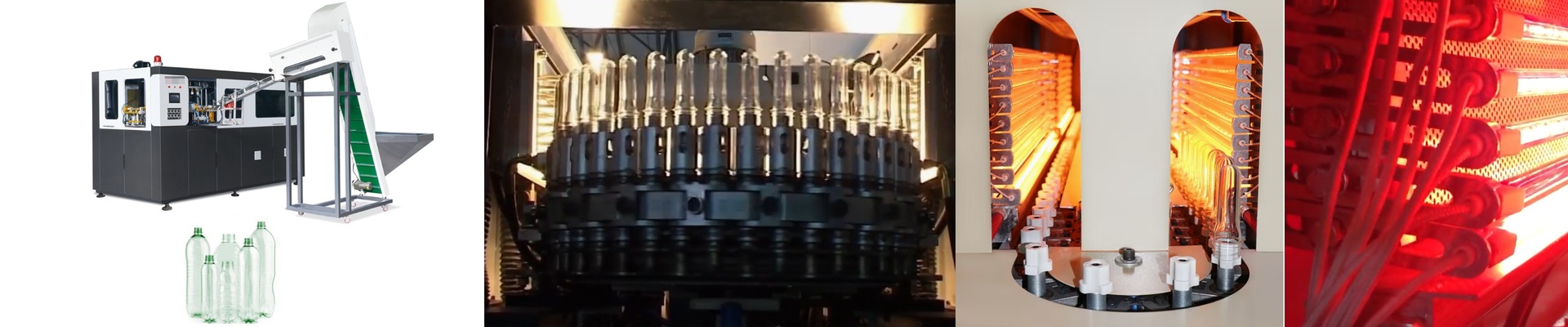
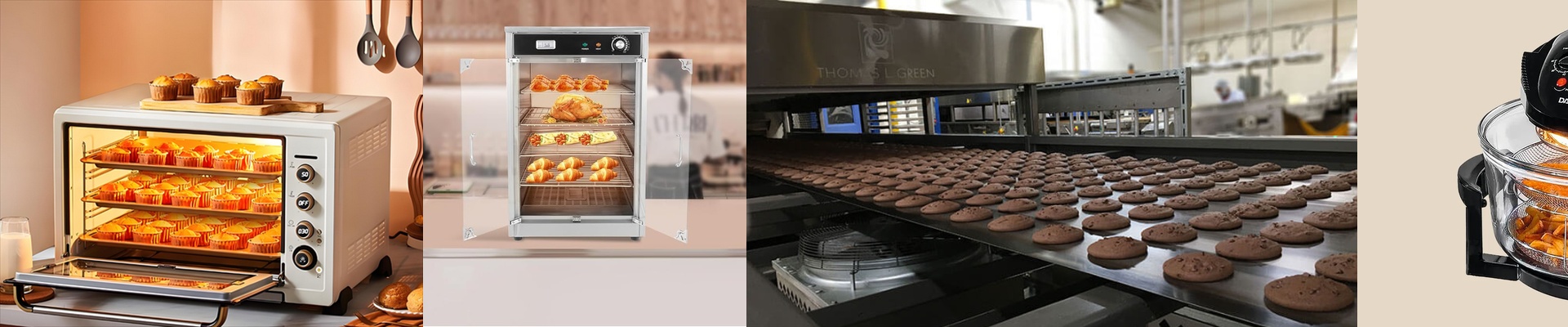
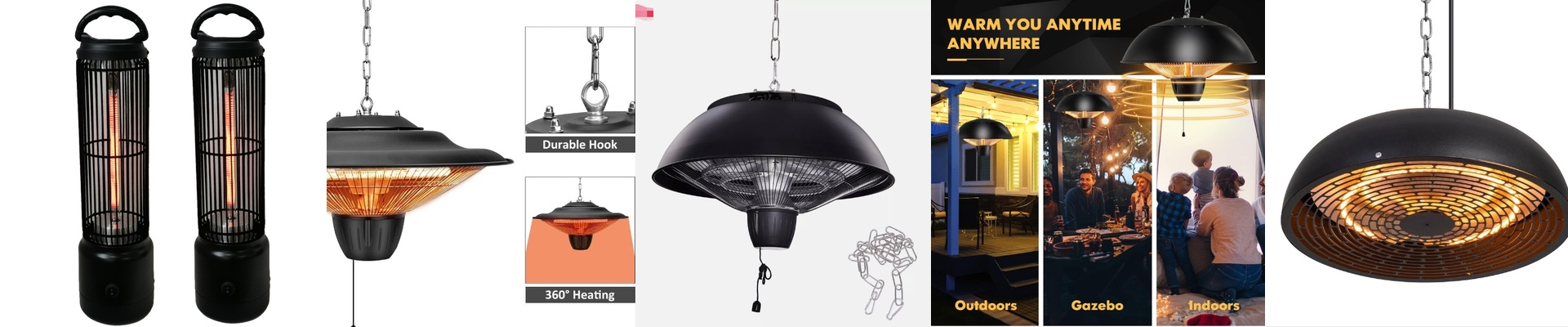
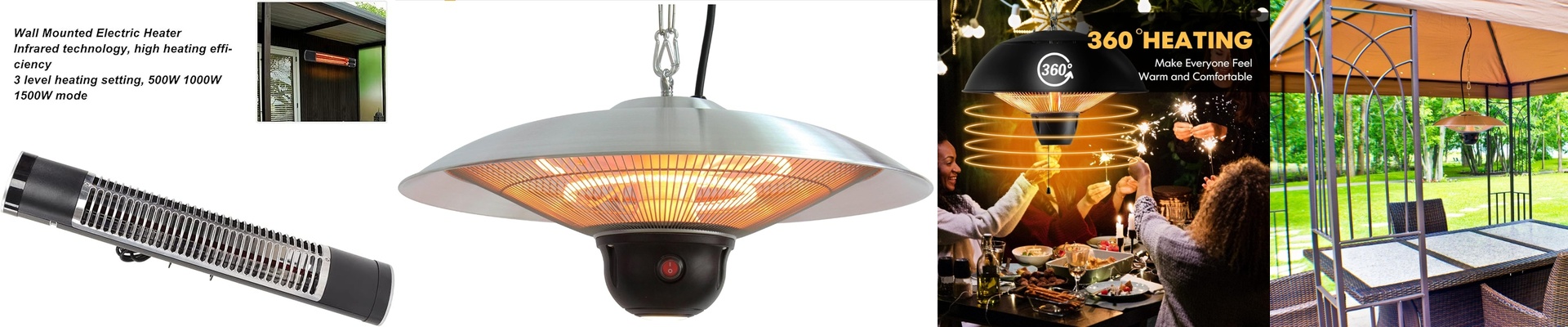
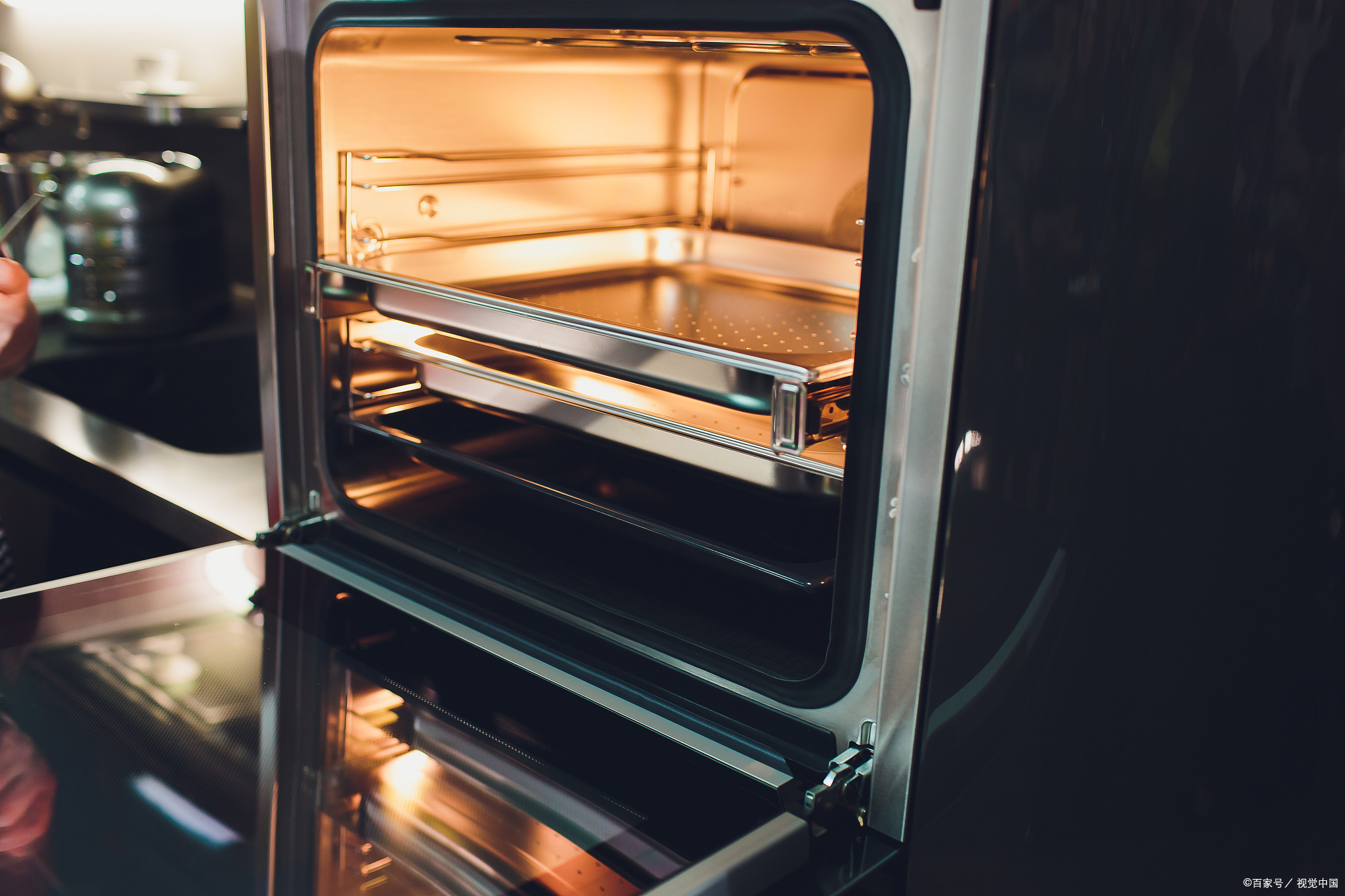
Ever notice how those old oven heating elements just… stop keeping up? You get cold spots, or you’re waiting forever for the temperature to bounce back after you open the door. It’s frustrating. We’ve found a better way. Instead of sticking with those outdated coils, we swap them out for short-wave infrared (IR) emitters. Here’s the difference: normal coils waste a ton of energy just heating up the air inside the box. IR doesn’t bother with the air. It beams heat directly into the food. It’s faster, cleaner, and way more efficient.
The Nitty-Gritty on Heat
When we pick an IR tube, it’s all about the balance between wattage and length. If you cram more wattage into a shorter tube, you get a lot of “heat density.” That means your warmer hits temperature almost instantly. But there’s a catch. You have to make sure your old wiring and sockets can actually handle that kind of power. Otherwise, you’re looking at melted terminals, which is a mess nobody wants.
What We Use and Why
We go with high-purity quartz glass for the tubes. Why? Because it lets the most heat possibly pass through to the food without getting trapped. Depending on what you’re warming, we can even use coated tubes. These shift the heat spectrum so the energy hits the hot dogs instead of just baking the walls of the oven. Plus, we use standard R7s or SK15 connectors, so they usually just slide right into your existing setup.
The Trade-offs
The best part is that you can customize the length and voltage. It lets you save a perfectly good machine without having to rip out the entire power board. It’s a cheap way to make an old machine feel brand new. But a word of warning: short-wave IR is powerful. Really powerful. If you go overboard with the wattage, you’ll end up scorching the outside of your food while the middle is still cold. To stop that from happening, we suggest pairing the emitters with a simple PID controller. It manages the power for you so you don’t burn anything or fry the equipment.