
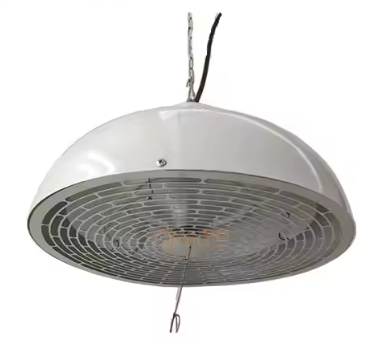
Why we put our bathroom lamps through the “steam torture test”
Let’s be honest: bathrooms are a nightmare for electronics. Between the thick steam from a hot shower, random water splashes, and the way the temperature jumps from freezing to boiling in minutes, it’s a brutal place for a heating element to live. If a seal fails—even a tiny bit—moisture gets into the electrical contacts. And once that happens? You’re looking at a short circuit or a lamp that burns out way before it should.
The deal with that IP65 seal
You’ll see “IP65” on the spec sheet, which basically means the lamp is dust-tight and can handle water jets. But we don’t just take the manufacturer’s word for it on day one. Instead, we put every batch through what I call “damp-heat aging.” We toss them into high-humidity chambers and cycle the temperatures. We’re basically trying to force those microscopic gaps in the housing to open up. If there’s a weak spot in the seal, the moisture will find it. We’d much rather find that failure point in our lab than have you find it in a customer’s bathroom.
Quartz, Halogen, and the “Fit”
We use high-purity quartz glass for the halogen filament. Why? Because quartz can handle the shock of going from room temperature to 500°C in a heartbeat without cracking. Plus, the halogen cycle keeps the filament from evaporating too quickly, which is why these last so much longer. And here’s a small detail that actually matters: the footprint. We keep the tolerances incredibly tight. You know that feeling when a part just clicks into place? That’s what we aim for. It slides right into the fixture without putting any weird pressure on the glass.
A few things to keep in mind
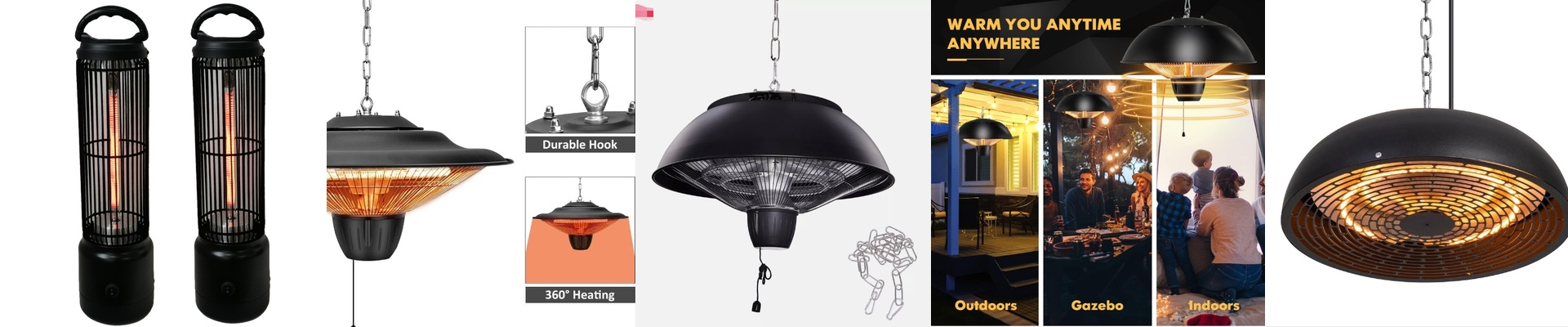
Here’s the thing: high-wattage infrared lamps give you that instant, cozy heat, but they pull a lot of power. Just make sure your wiring and breakers are up to the task. If you overload a circuit with too many of these, you’re going to be tripping breakers all morning. At the end of the day, we obsess over the seal and the filament stability. We want to give you a replacement that doesn’t flicker or leak the second the room gets steamy. It’s the only way to make sure these things actually hold up in a wet zone.