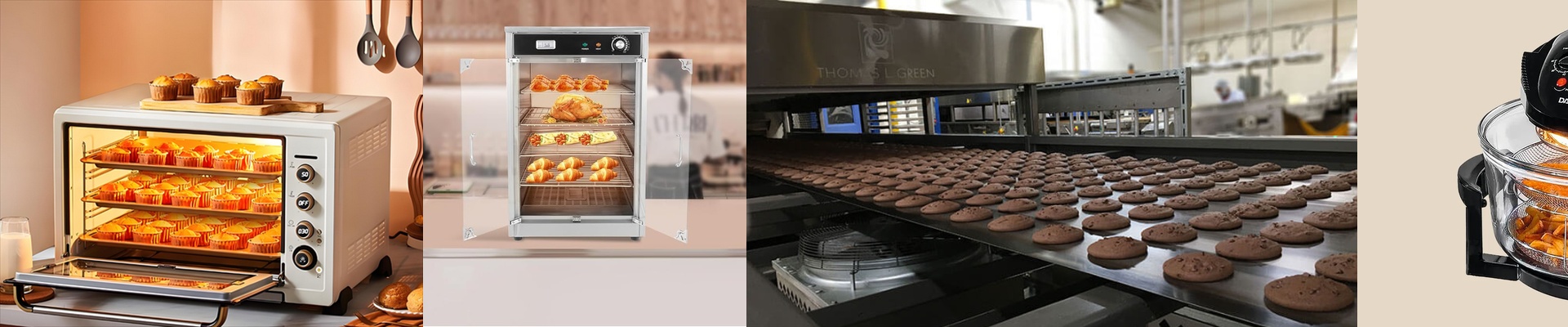

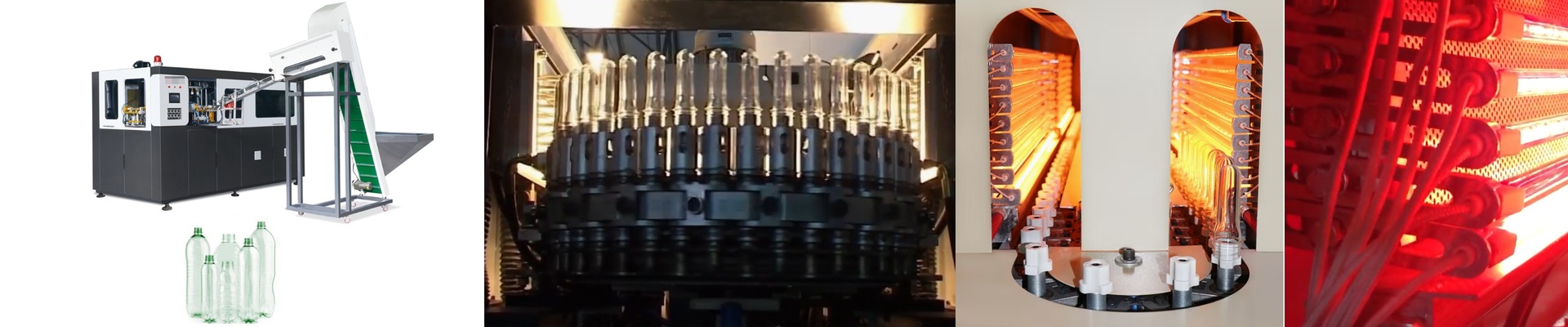
If you’ve ever tried to cook a thick cut of meat, you know the struggle. You end up with a charred exterior and a center that’s basically still raw. It’s frustrating. Standard convection just doesn’t cut it because it only hits the surface. That’s why we use shortwave infrared (IR). Here is the secret: IR radiation doesn’t just sit on the surface. It actually sinks deep into the protein fibers. Instead of waiting for heat to slowly crawl from the outside in, IR energy gets the water molecules inside the meat moving. The result? You get a consistent cook from edge to edge. No more guessing. No more overcooking the crust just to make sure the middle is safe to eat. And it’s fast. Really fast. These IR lamps hit their target temperature almost instantly. We’ve paired them with PID controllers and quick-reacting thermocouples so you can tweak the power on the fly. If the sensors pick up a sudden heat spike on the surface, the system kills the power immediately. This is how you avoid that annoying “grey band” of overcooked meat you usually see with slow-roasting. Now, there is a catch. Putting out this much heat is intense. You can’t just toss these into a basic oven and hope for the best. You’ll need to beef up your ventilation, and you’ve got to use high-temp insulation on the walls. If you don’t, the chassis will soak up all that energy, and you’ll end up with a housing that’s hot enough to burn anyone who touches it. We designed these elements to be easy to swap out, whether you’re upgrading an old line or starting from scratch. Just one tip: give the lamps some breathing room. If you crowd them too close together, you’ll get cold spots, and you’ll lose that perfect, uniform cook that makes IR so great in the first place.