Getting Heat Right in AI Kitchen Gear
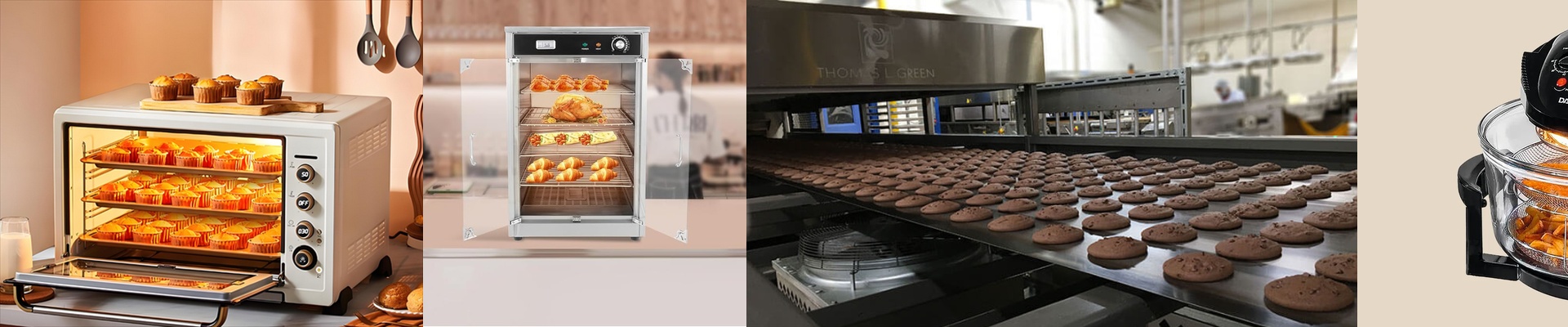
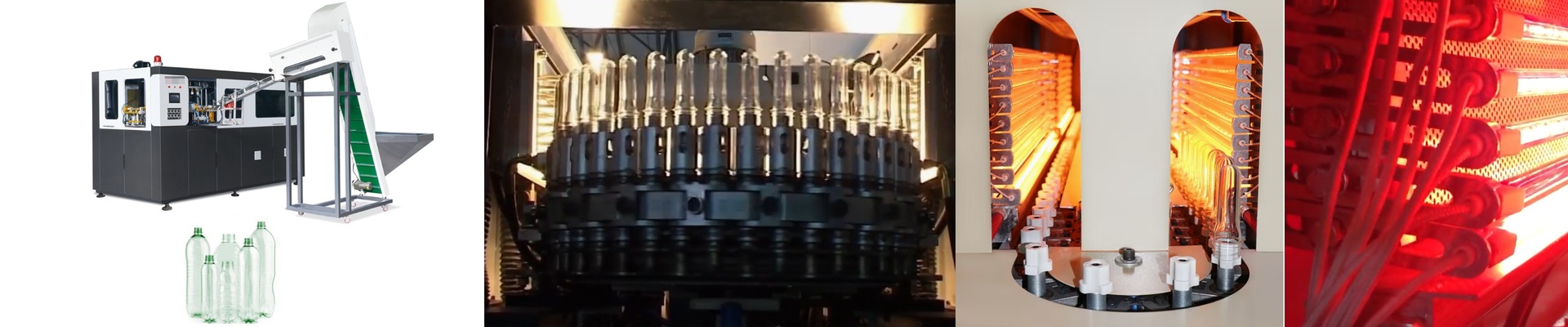
Smart kitchens are getting a lot more sophisticated, and that means the way we handle heat has to keep up. If you’re building a system driven by AI, you need temperature control that’s surgical. That’s where our infrared heating elements come in. These aren’t your typical heating bulbs. Think of them as high-speed heat bridges. They’re built to move a ton of thermal energy quickly and switch on and off without breaking a sweat.
Why short-wave IR actually works
Here’s the thing about most heaters: they waste time warming up the air first. It’s slow. We use short-wave infrared instead. It skips the middleman and shoots energy directly into the food or the surface. It’s fast. Really fast. When your AI controller decides it’s time to cool things down or ramp up, the element reacts almost instantly. We also use high-purity quartz glass for the tubes. Why? Because we don’t want the glass soaking up the heat. We want every bit of that energy pushing outward, exactly where it needs to be.
No more “off-the-shelf” headaches
You can’t just grab a random lamp from a catalog and expect it to survive in a smart appliance. Those things just burn out when you start cycling them on and off every few seconds. We build these to match your specific PCB power delivery. We tweak the wattage and voltage so the hardware actually lasts. Plus, we can add special coatings to the elements. This helps you avoid that annoying surface scorching while making sure the middle of the food actually gets cooked.
The honest trade-offs
Now, there’s a catch. To get this kind of lightning-fast response, you have to push more power. That means your appliance chassis is going to get hot. You’ll need to be smart about your ventilation and heat sinks, or you risk frying your own electronics. It’s a balancing act. As for the setup, it’s pretty simple—as long as your relays can handle the inductive load. To make your life easier, we provide custom lead wires and connectors. They snap in tight and stay put, even if the appliance vibrates while it’s running.