Let’s Talk About Putting Infrared Heat in the Shower
Putting infrared heating in a shower or a damp outdoor spot isn’t just about staying warm. Honestly, it’s a bit of a balancing act. You’re dealing with electricity and water—two things that absolutely hate each other. Most of the time, the biggest headaches come from moisture creeping in or “thermal shock.”
The Deal with Explosion-Proof Quartz
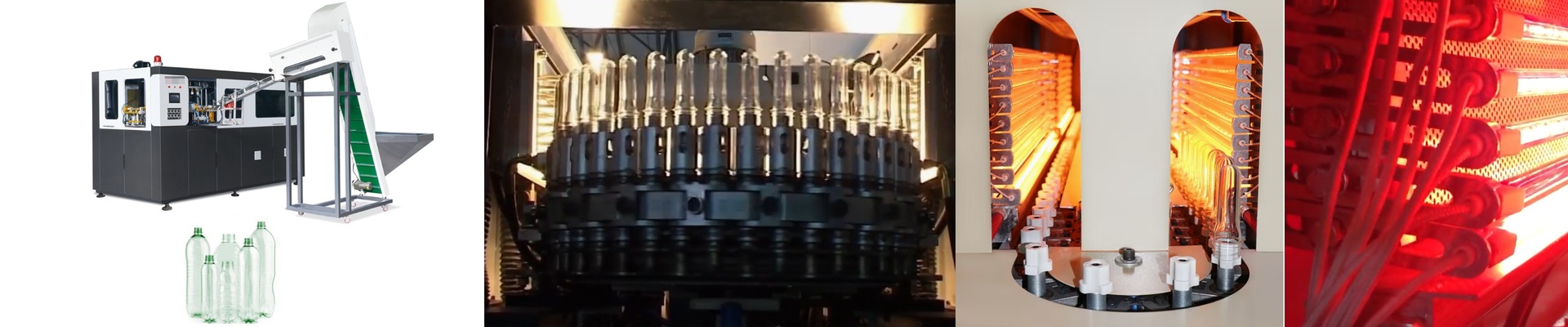
Here is the thing about standard quartz tubes: they’re fragile. If a single cold drop of water hits a glowing hot lamp, the whole thing can shatter. It’s a nasty surprise. That’s why we use explosion-proof quartz. It’s built to handle those wild temperature swings without cracking. And if the worst happens and a tube does fail? The special layering keeps the glass from spraying everywhere. It takes a potential disaster and turns it into a non-event.
Keeping the Water Out
You’ll see “IP66” on the specs. In plain English, that just means the unit is sealed tight against dust and can handle a direct blast of water. We make sure the chassis is locked down so steam and spray stay far away from the electrical guts. But a quick heads-up on the wiring. These lamps pull a lot of power. If you use wires that are too thin, you’ll lose voltage, and your heater will feel like a lukewarm lightbulb instead of a powerhouse. Make sure your gauge is up to the task.
A Couple of Things to Keep in Mind
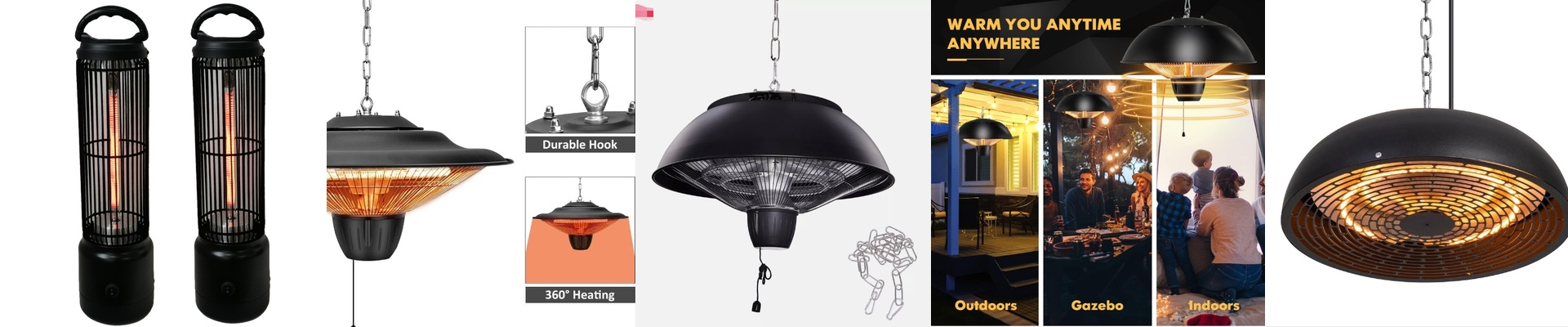
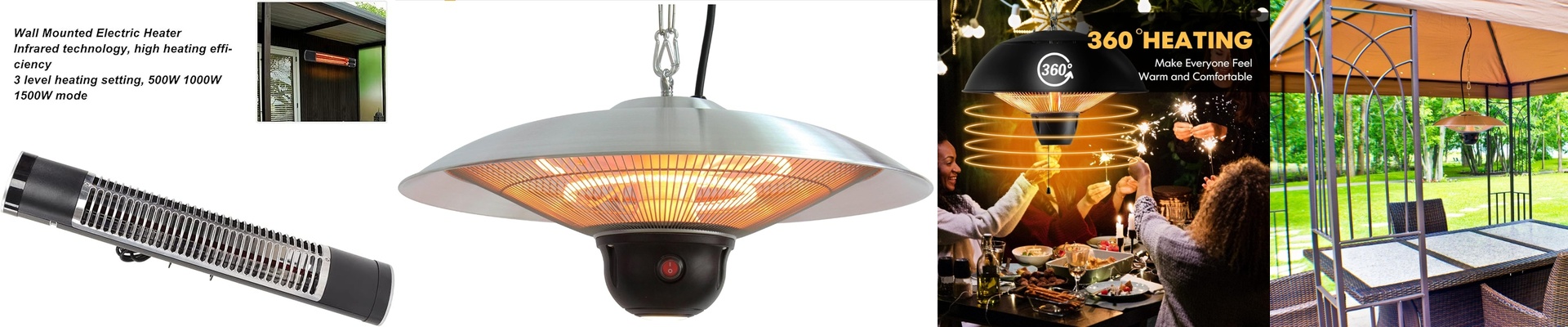
The best part about these systems is the feel. You get that immediate, deep warmth on your skin without having to heat up all the air around you. It’s a lifesaver in drafty outdoor areas. Just remember, that quartz tube getsinsanely hot. Even with the IP66 housing, the face of the heater can still burn you. Don’t just mount it anywhere. Give yourself some breathing room—we usually suggest at least 1.5 meters of clearance. It keeps everyone safe and keeps the heat where it belongs.