
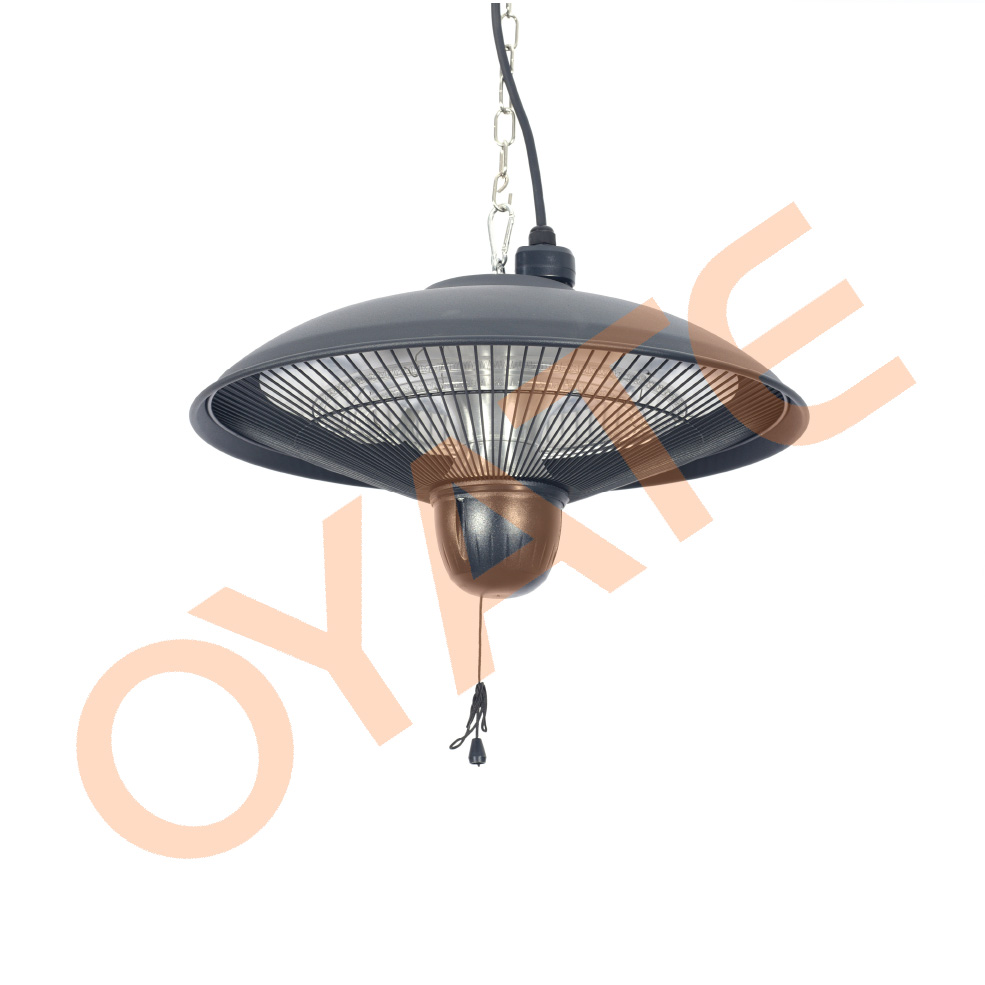
Why We Torture Our Bathroom Heat Lamps
Let’s be honest: bathrooms are a nightmare for electronics. You’ve got thick steam, random water splashes, and that brutal jump from a freezing morning start to blistering heat in seconds. We don’t just hope our lamps will survive that. We try to break them on purpose.
The battle against the steam
Water and high-voltage circuits don’t mix. It’s a recipe for disaster. In a real bathroom, vapor sneaks past seals and settles right on the lamp terminals. This creates these tiny “leakage paths.” If the insulation gives up, you’re looking at a short circuit or a tripped breaker—which is the last thing you want when you’re stepping out of a shower. To get ahead of this, we use damp-heat aging tests. Basically, we cram the lamps into a chamber and blast them with extreme humidity and heat cycles. It lets us simulate years of bathroom steam in just a few weeks. It’s the only way to know if a seal is actually tight or if the coating on the quartz tube is going to flake off the moment things get sweaty.
Finding the breaking point
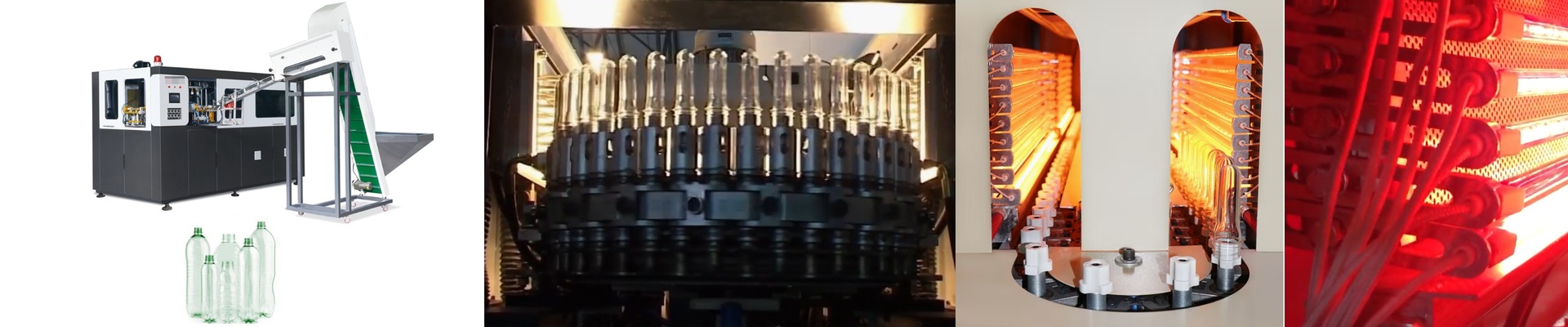
Most of these lamps rely on quartz glass and tungsten filaments. Quartz is great with heat, but the real trouble starts where the metal leads meet the glass. That’s the weak spot. When the lamp heats up and cools down over and over, the materials expand and shrink at different rates. Toss some moisture into that mix, and you get cracks. We push these lamps until they snap. If a batch burns out at 500 hours when it should have hit 2,000, we toss the whole lot and figure out why the seals failed.
The balancing act
Here’s the tricky part: everyone wants a lamp that heats up instantly. That means higher wattage. But there’s a catch. More power means more heat, and more heat puts way more stress on the materials. It makes them more likely to crack when the humidity hits. So, we play a bit of a balancing game. We tweak the casing ventilation to make sure the housing can breathe. The goal is to give you that intense heat you want, while making sure the moisture gets exhausted before it can pool up and fry the electronics.