
How to actually get a sterilization cabinet to heat up in seconds
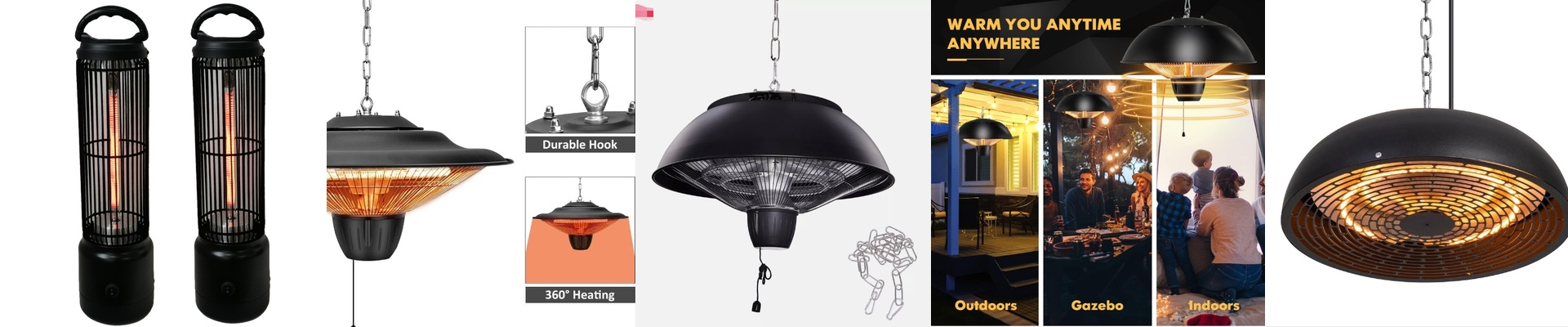
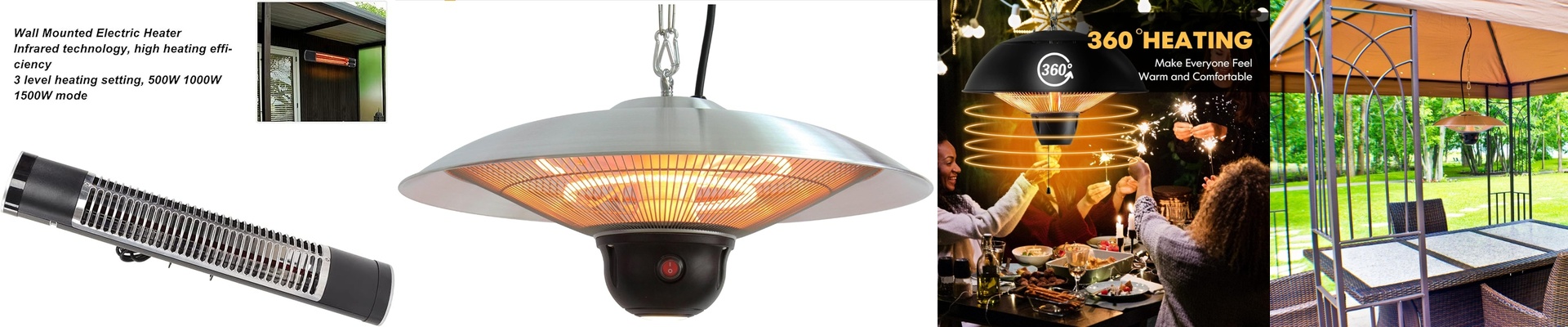
If you want a cabinet to hit sterilization temps in a matter of seconds, you have to stop relying on convection. Waiting for air to warm up is too slow. Instead, we go straight to infrared radiation. The secret sauce here is frosted quartz tubes. Now, you might think clear quartz is the way to go, but it’s actually too focused. It creates these intense hot spots that can warp your plastic parts or leave “dead zones” where germs just hang out. Frosted quartz fixes that. It scatters the heat, spreading it evenly across the whole interior so everything gets hit.
The magic of “instant-on” heat
To get that kind of speed, you need a lot of wattage packed into a small space. Quartz tubes are great because the filament hits peak temperature almost immediately. It’s a huge win for your workflow. You aren’t wasting energy pre-heating the air; you’re hitting the surfaces of your tools directly. And because we use high-temp stable quartz, you don’t have to worry about the glass cracking. These things can swing from room temperature to hundreds of degrees and back again without breaking a sweat.
A few things to watch out for
Here’s a heads-up: frosted tubes change the emissivity. If you’re using a PID controller, you’ll probably need to tweak your settings. If you don’t, you might find the system overshooting your target temp. When you’re actually wiring these in, space is usually tight. Just make sure you use high-temperature leads. If you use the cheap stuff, the insulation will melt right at the tube ends, and then you’ve got a real problem on your hands.
The trade-off (The “Power” Problem)
There is a catch, though. Speed costs power. When these tubes kick in, they pull a massive current spike. If your relays or power supplies aren’t beefy enough to handle that initial hit, they’ll burn out in a few months. Plus, if your power rail is under-spec’d, the tubes simply won’t get hot enough to actually sterilize anything. It’s worth spending the extra bit of money on a heavy-duty power supply now so you aren’t replacing components later.