
How to actually get that perfect golden-brown crust
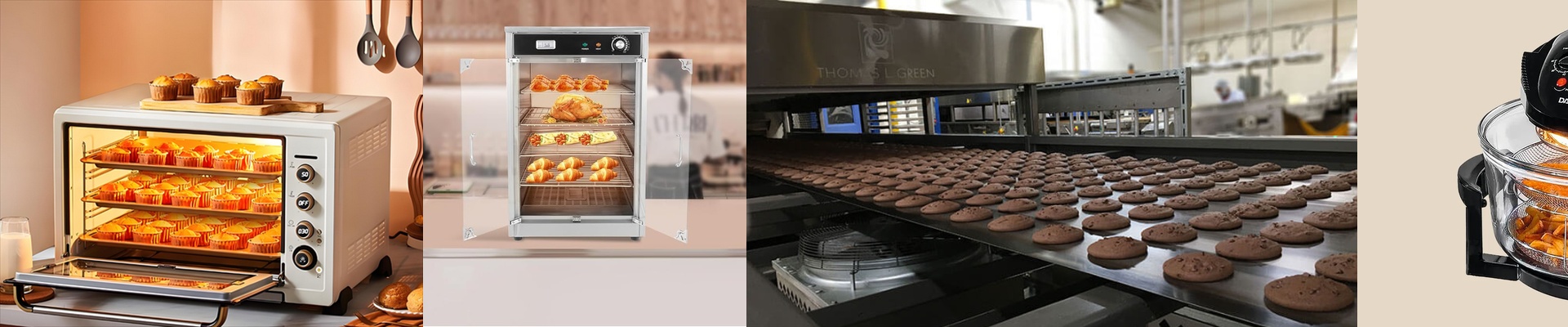
Ever wonder why some bread comes out looking like a textbook photo—deep gold, crisp, and glowing—while others just look… pale? Most people think it’s just about cranking up the heat. But it’s not. It’s actually about the kind of light and energy hitting your dough. When you swap out your oven elements, you aren’t just fixing a broken part. You’re basically tuning your oven like an instrument to get the heat exactly right.
Finding the sweet spot
To get that perfect color, you have to balance short-wave and medium-wave infrared. Think of short-wave heat as a sprint. It hits the surface fast and hard. This triggers the Maillard reaction—that’s the magic chemistry that turns dough brown—without sucking all the moisture out of the middle. If the intensity is too low, your bread just sits there. It dries out and turns into a cracker before it ever gets any color. But if you go too far the other way? You’ll burn the edges to a crisp while the center is still raw. We play around with the wattage and the thickness of the quartz tubes to nail this balance. More wattage density means more heat hitting the food, which makes that browning happen a lot faster.
No more “almost fits”
There’s nothing more frustrating than ordering a replacement part that’s almost the right size. We’ve all been there. That’s why we build these to your exact voltage and length. We want them to just drop right in. Whether you need a specific amount of power per centimeter or a special quartz coating to change how the heat hits, we can tweak the build to fit your specific setup.
The trade-off: Speed vs. Lifespan
Here is the honest truth: high-intensity elements are amazing for moving a lot of product quickly. They pack a massive punch. But there’s a catch. When you push that much power through a small tube, it creates a lot of stress. You’ll get that gorgeous crust, but the elements might wear out faster if your oven’s vents aren’t doing their job. If you want them to last, keep your connections tight and make sure your airflow is clear. If the heat can’t escape from the electrical terminals, they’ll burn out way sooner than they should.