Why Your Bathroom Heater Keeps Dying (And How to Fix It)
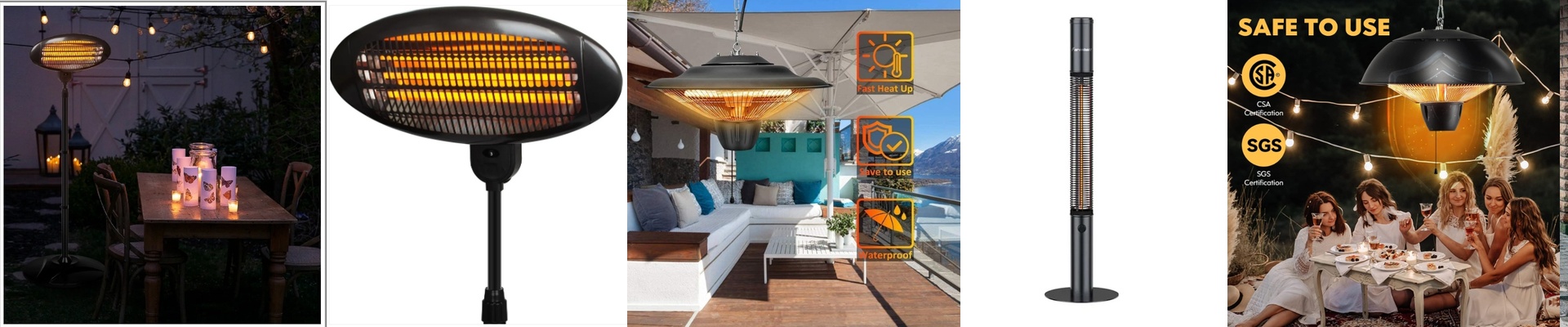
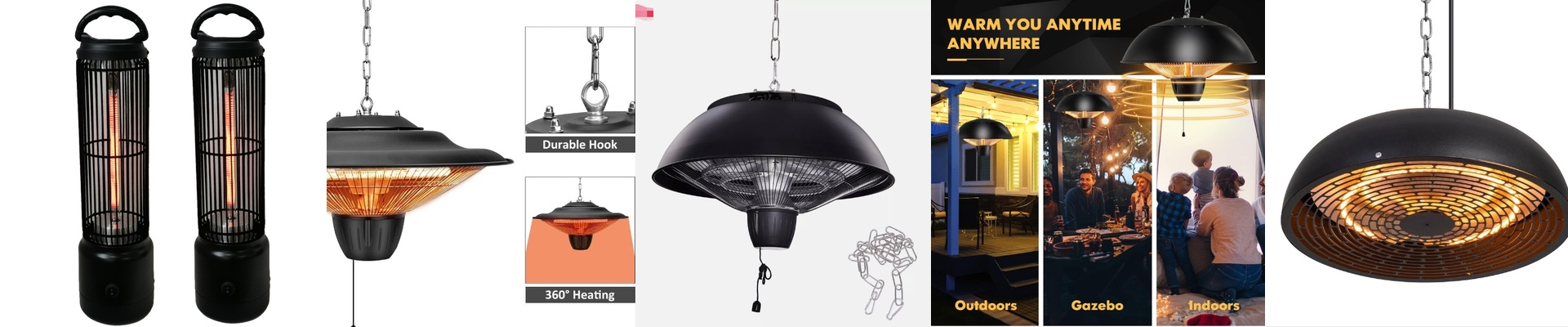
Ever noticed how those cheap bathroom lamp heaters seem to give up the ghost right when you need them most? Most of them are just basic quartz tubes with almost no protection. Toss them into a steamy bathroom, and it’s only a matter of time before the moisture gets in and fries the whole thing. That’s why we’ve moved toward waterproof infrared heaters. They’re built to actually survive a wet environment without shorting out.
The Secret is in the Seal
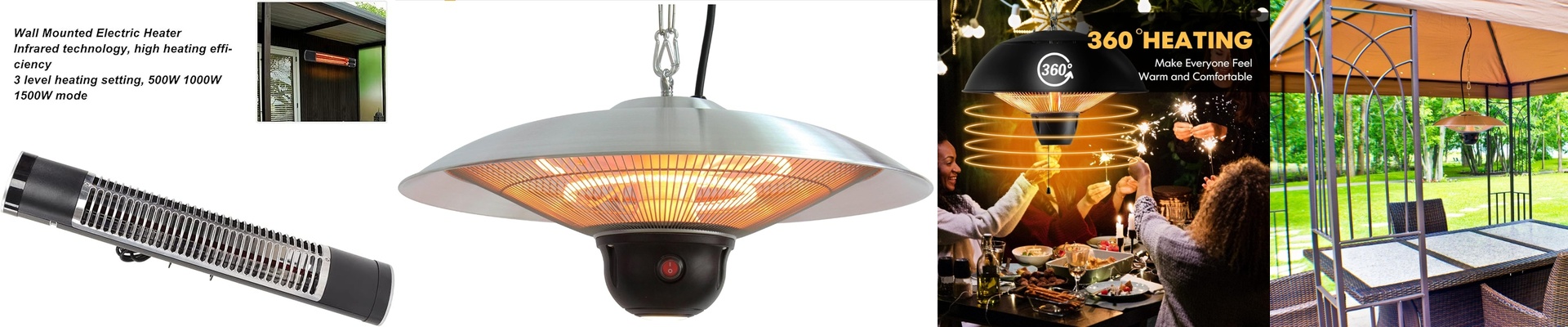
Most heaters leak right where the wires meet the unit. To stop that, we use IP-rated housings. Now, this isn’t just slapping a plastic cover over the top. It’s all about the tight seal between the ceramic insulators and the outer frame. If water can’t get in, the heater keeps running. And the heat? It’s instant. Shortwave infrared doesn’t waste time heating up the air in the room; it goes straight for you. It’s a total lifesaver on a freezing winter morning. Just a heads-up, though: because the heat is so concentrated, you’ve got to mount them at the right height. You want to feel warm, not toasted.
Stuff That Actually Lasts
We use reinforced quartz glass or carbon fiber for the elements. Why? Because these things take a beating. They go from 600°C to room temperature the second you turn them off after a shower. That kind of thermal shock snaps cheap materials. To keep the rust away, we stick with 304 stainless steel or powder-coated aluminum. Then there’s the wiring. This is where the “budget” units usually fail. We use silicone-insulated wiring because it doesn’t crack or get brittle when things get hot. It just holds up.
The Trade-offs
Look, nothing is perfect. Making a heater waterproof makes it a bit bulkier. An IPX4 or IPX5 unit is going to take up more space than a bare bulb. There’s also the issue of airflow. Since the unit is sealed tight to keep the water out, the internal electronics can’t “breathe” as easily. This means your bathroom needs decent ventilation. If the room gets too stuffy, the internal thermal cut-off will kick in and shut the power down to keep things safe.