

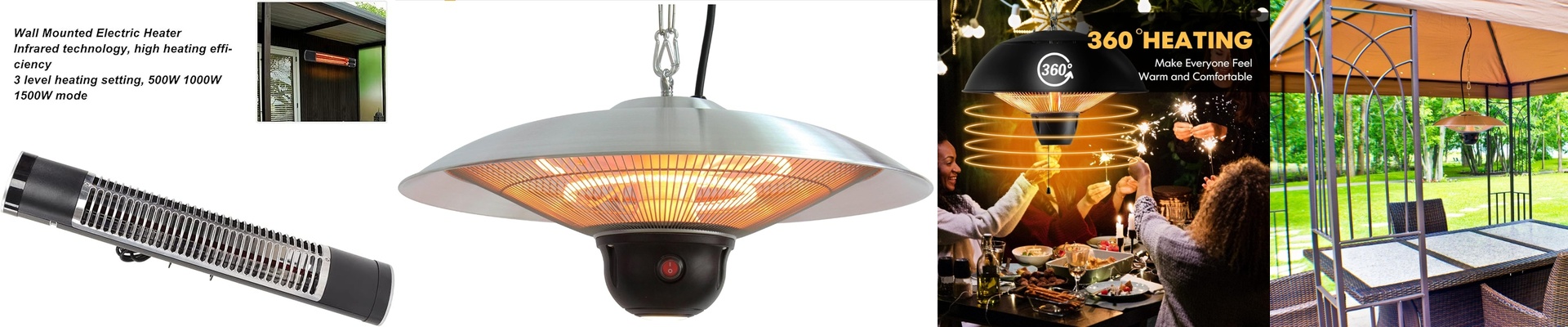
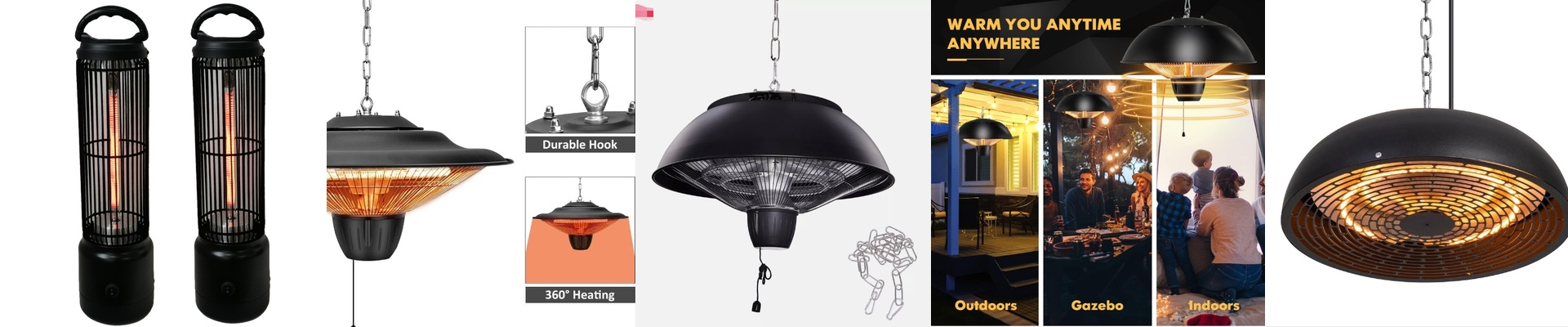

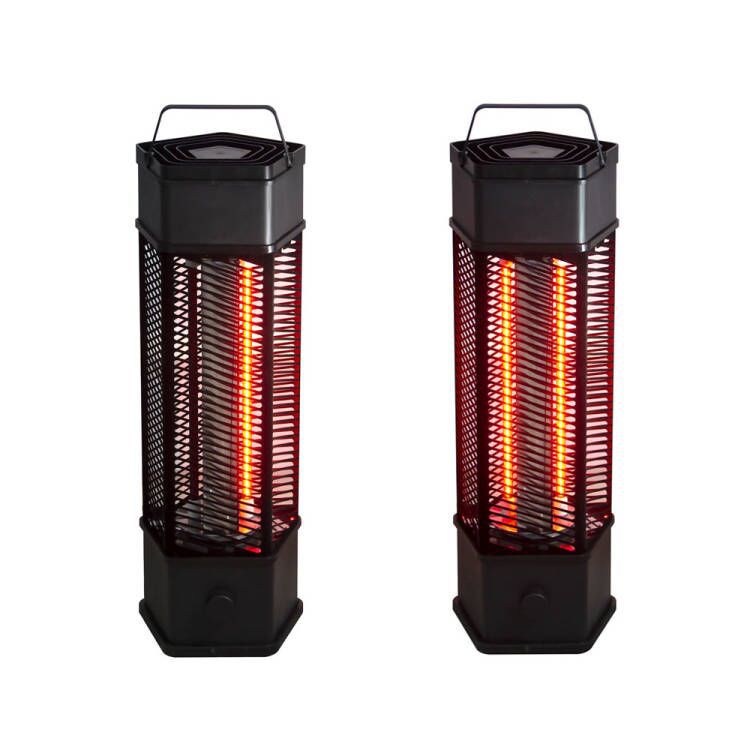
If you’re planning to put a 1500W infrared heater in your bathroom or out in a gazebo, you can’t just grab any high-wattage unit and call it a day. Here’s the thing: moisture is a nightmare for electronics. Between the steam in a shower and the damp air outside, water loves to sneak in. And since water conducts electricity, a standard heater can quickly turn into a short-circuit waiting to happen. Keeping the water out To stop that from happening, we don’t use open wires. Instead, we wrap everything in sealed quartz envelopes and use IP65-rated housings. In plain English? That means dust can’t get in, and a splash of water won’t penetrate the casing. We also use silicone gaskets at the wire entry points. It’s a small detail, but it’s huge. If you leave those gaps open, humidity will eat away at the contacts, causing sparks and killing your heater way sooner than it should. Dealing with the heat 1500W puts out a lot of heat—a lot. To keep things safe, we use high-temp ceramics to hold the lamps in place. This keeps the electricity where it belongs and stops it from jumping over to the metal frame. And we don’t use cheap PVC for the wiring. That stuff melts and cracks when things get hot, which would leave live copper exposed to damp air. Not a great scenario. We use silicone or Teflon jackets instead, because they can actually handle the heat. A few things to keep in mind Now, all this protection makes the unit a bit bulkier than a basic indoor heater. Just make sure your ceiling can handle the extra weight before you start drilling. One more tip: pair your heater with a GFCI breaker. Think of it as your ultimate safety net. Even if a seal fails or a wire gets pinched during the install, the GFCI will trip and keep you safe. Do it right, and you’ll have a warm, cozy space that stays safe even when the room is filled with steam.